
Even the smallest details can make or break a design. That’s why one of the biggest reasons Amish furniture has earned that reputation comes down to something many people never even see: joinery.
At Home Acres Fine Furniture, we believe understanding how furniture is built helps you appreciate its value. Amish craftsmen rely on time-tested furniture building techniques—methods that have been used for centuries—to create pieces that are both strong and timeless.
In this guide, we’ll break down the most common types of joinery used in Amish furniture, why they matter, and how they contribute to furniture that stands the test of time.
What Is Wood Joinery in Furniture?
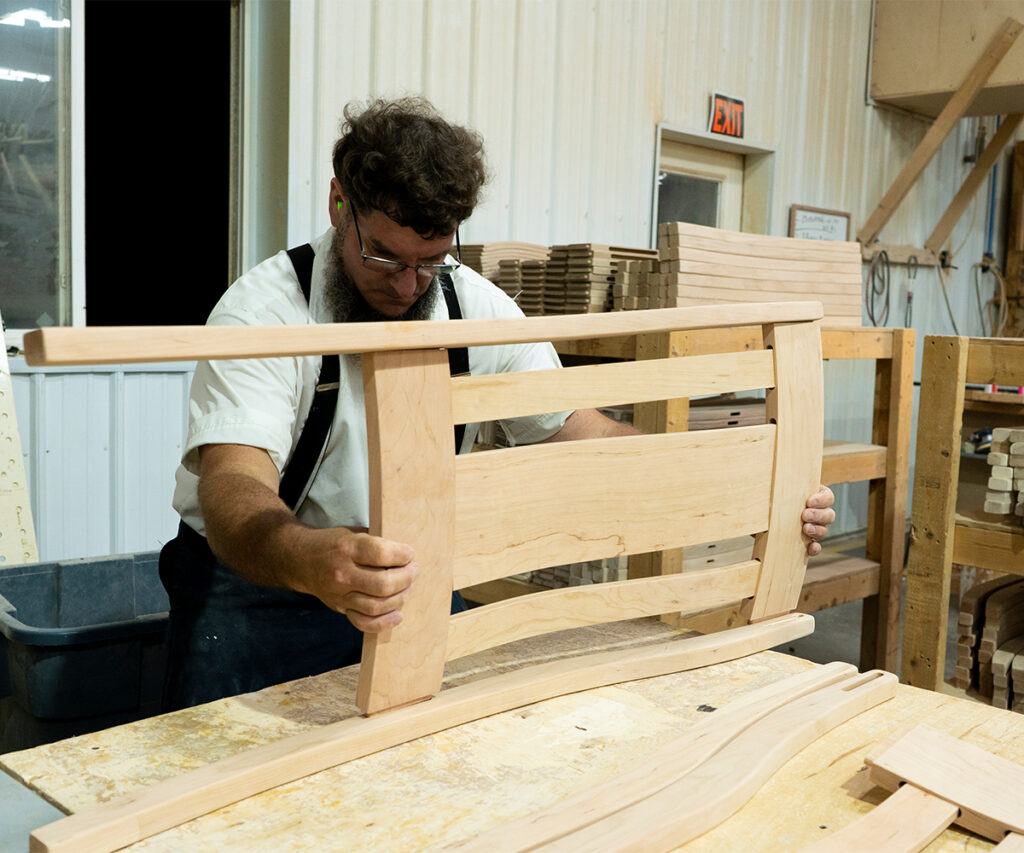
Joinery refers to the way two pieces of wood are connected. While modern mass-produced furniture often relies on screws, nails, or metal fasteners, Amish craftsmen use joinery as a method of connecting two separate pieces of a design. All it takes is precisely cut wooden joints that lock the pieces together tightly and naturally. No external fasteners required.
Why Amish Joinery Is Superior
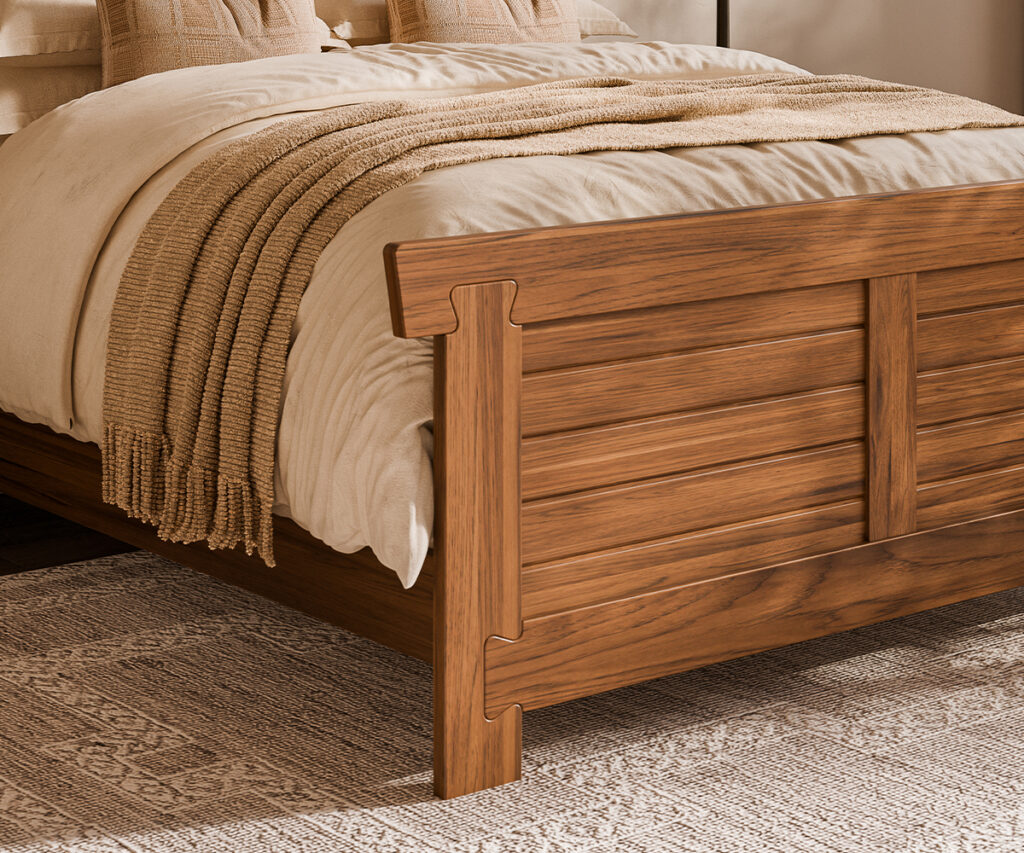
The majority of Amish furniture is built using solid hardwoods like oak, cherry, maple, and walnut—materials already known for their strength. This is one of the key differences between handcrafted Amish furniture and factory-made alternatives. High-quality joinery methods (like dovetail and mortise-and-tenon joints) paired with solid woods are hallmarks of durability.
Amish builders have stuck to these joinery techniques because they:
- Require more time and skill to learn and implement – making it a valuable trade
- Create stronger connections without metal hardware
- Support decades of daily furniture use
- Allow wood to expand and contract naturally – reducing loosening or warping
- Eliminate weak points over time
- Create a cleaner, seamless appearance
Let’s break down five types of joinery that can be commonly found in Amish-made wooden furniture.
Joinery Type 1: Mortise and Tenon Joints
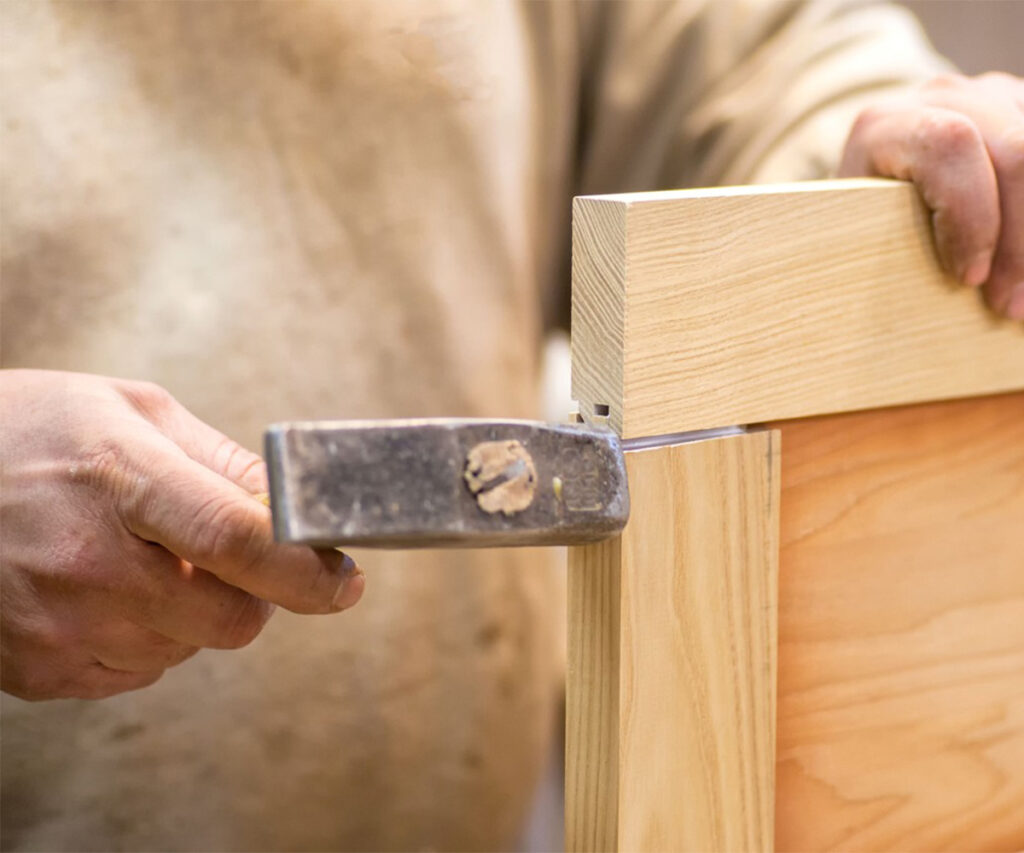
The mortise and tenon joint is often called the “king of woodworking joints,” and for good reason.
This joint consists of two parts:
- A tenon (a protruding piece of wood)
- A mortise (a precisely cut hole that receives the tenon)
When fitted together, these two components create a tight, secure connection that can be glued or wedged for even more strength.
Where It’s Used
- Table legs and frames
- Chair construction
- Bed frames
- Structural supports
Why the Amish Use Mortise and Tenon Joinery
Mortise and tenon joints maximize long-grain wood contact, which is the strongest bonding surface in woodworking. They also allow for slight wood movement, which helps prevent cracking or splitting over time. This trait is especially important in solid wood furniture.
At Home Acres Fine Furniture, this type of joinery is a cornerstone of our many handcrafted pieces, ensuring stability you can rely on for decades.
Joinery Type 2: Dovetail Joints
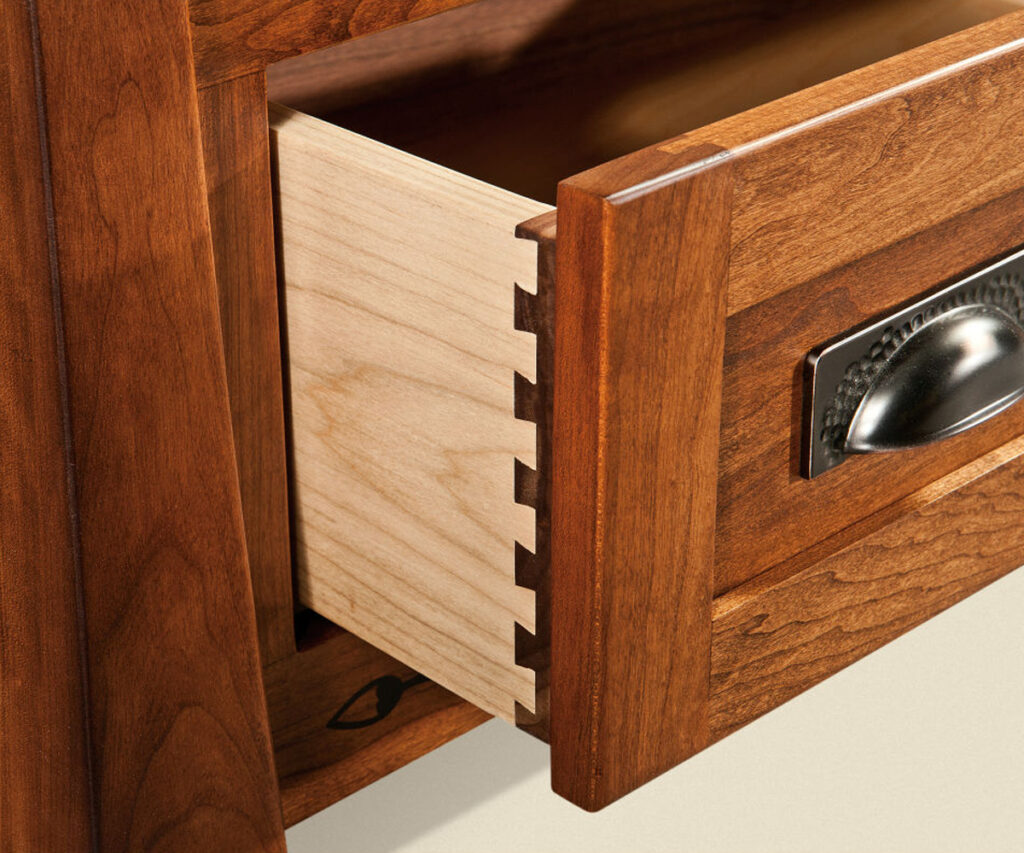
If you’ve ever pulled out a drawer in high-quality furniture and noticed a pattern of interlocking “teeth,” you’ve seen a dovetail joint. These joints are made by cutting a series of wedge-shaped pins and tails that lock together tightly.
Where It’s Used
- Drawer boxes
- Cabinets
- Storage chests
Why the Amish Use Dovetail Joints
The unique shape of dovetail joints makes them extremely resistant to being pulled apart. This is especially important for drawers that experience repeated opening and closing.
Unlike stapled or glued drawer boxes found in cheaper furniture, dovetail joints:
- Prevent loosening over time
- Maintain alignment
- Provide smooth, sturdy operation
Joinery Type 3: Dowel Joints
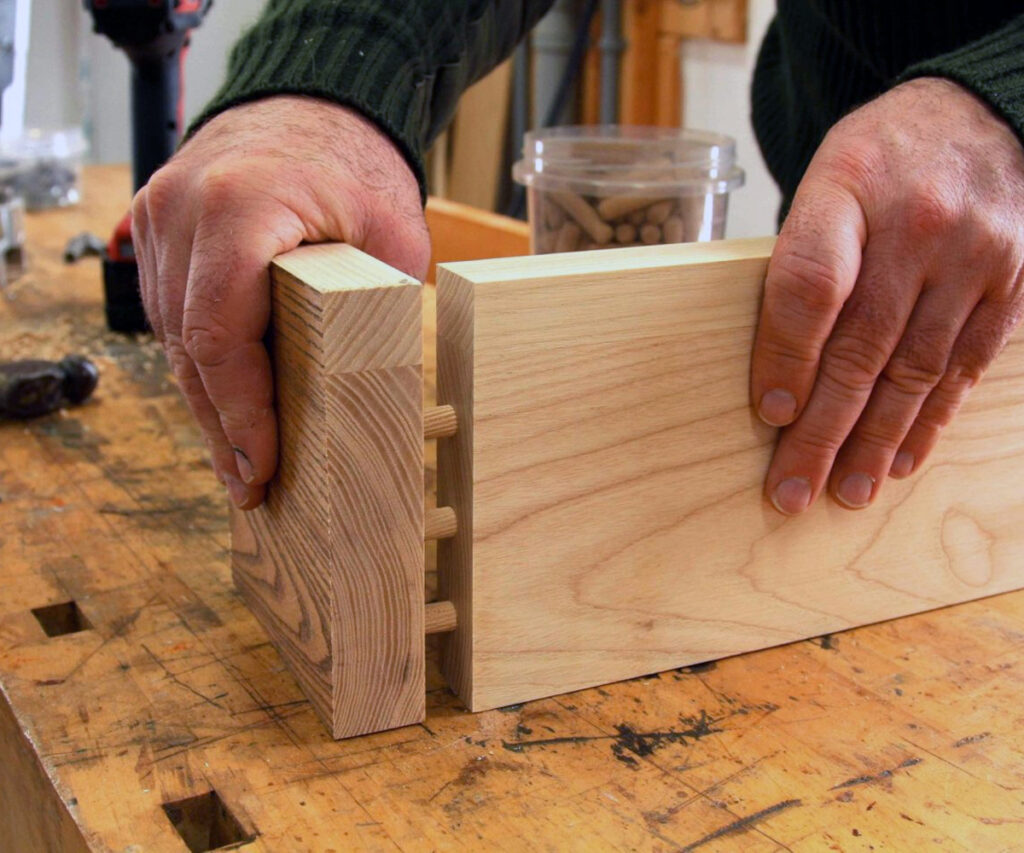
While mortise and tenon joints are the primary structural method, dowel joints are often used as reinforcement in Amish furniture. A dowel joint involves inserting small, cylindrical wooden pegs into aligned holes in two pieces of wood.
Where It’s Used
- Cabinet frames
- Panels and shelving
- Reinforced corners
Why the Amish Use Dowel Joints
Dowels increase the surface area of the joint, adding strength without compromising appearance. When combined with glue and other joinery methods, they create an incredibly durable bond. They’re also completely hidden, helping maintain the clean, seamless look Amish furniture is known for.
Joinery Type 4: Tongue and Groove
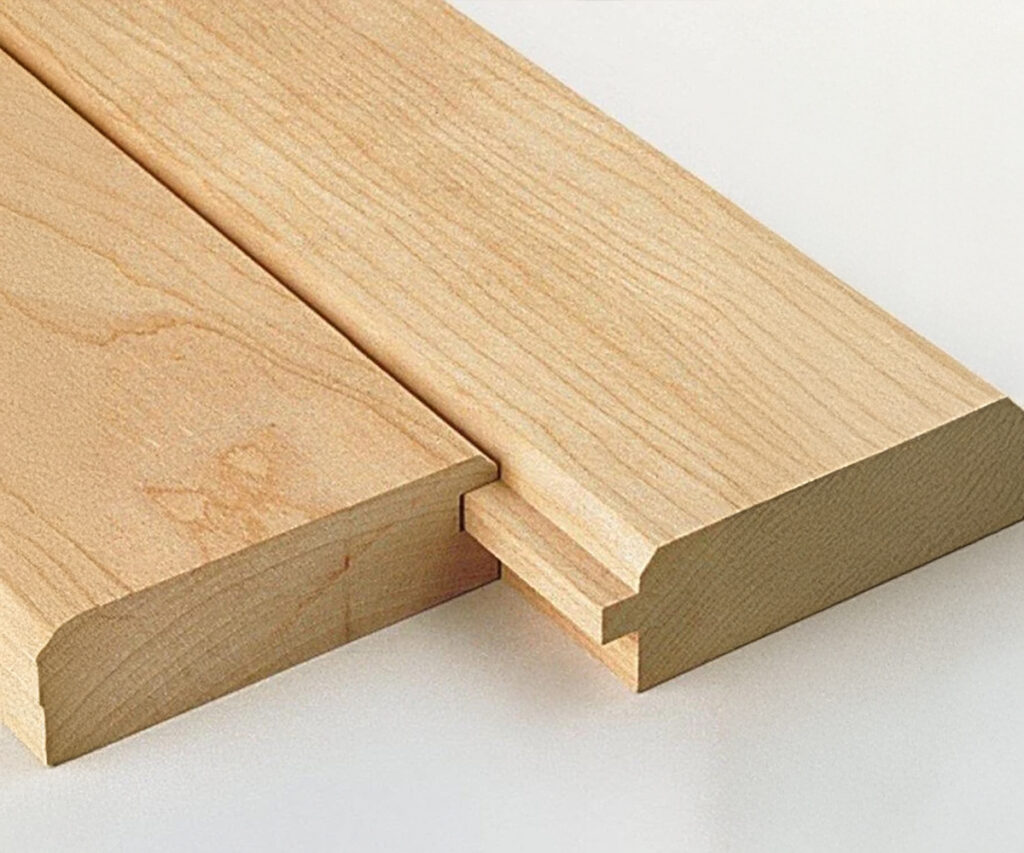
Another common technique in Amish furniture is tongue and groove joinery.
This method involves:
- A “tongue” (a protruding edge) on one board
- A “groove” (a slot) on another
Where It’s Used
- Tabletops
- Cabinet panels
- Flooring-style surfaces
Why the Amish Use Tongue and Groove Joinery
Tongue and groove joints allow wood panels to expand and contract naturally with changes in humidity while staying securely connected.
This prevents:
- Warping
- Cracking
- Gaps forming over time
Joinery Type 5: Rabbet and Dado Joints
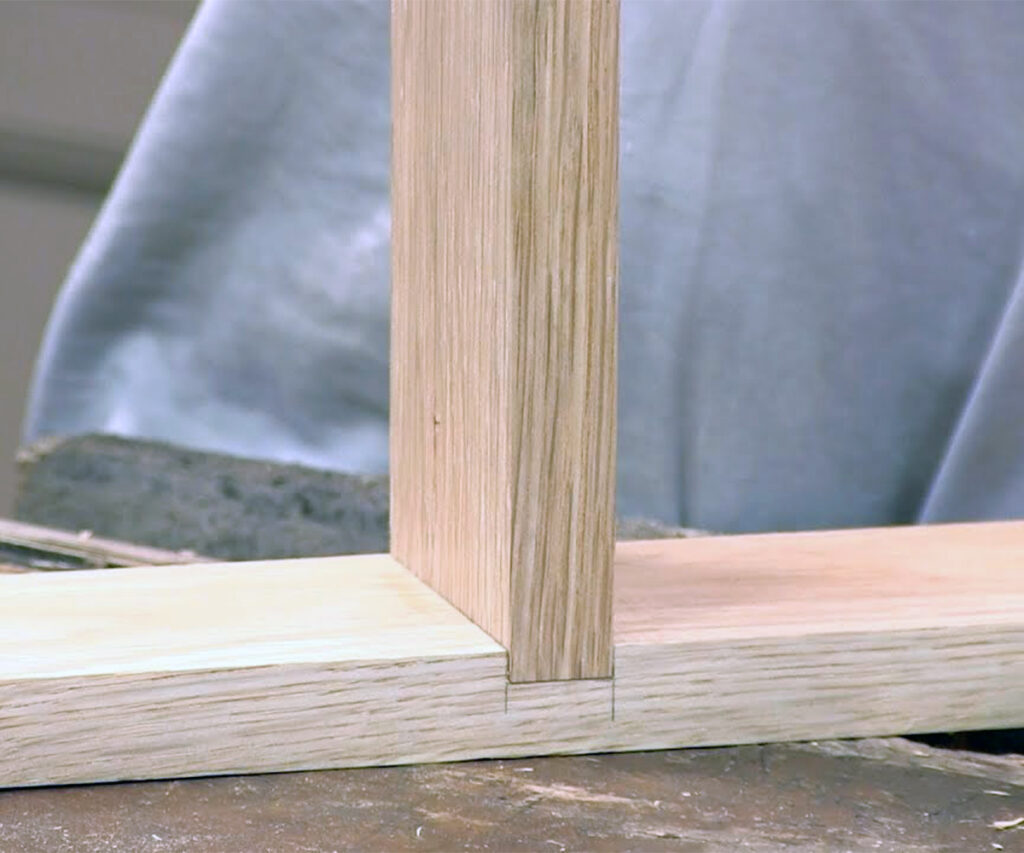
Though less visible, rabbet and dado joints play an important role in Amish furniture construction.
- A dado joint is a groove cut into a board to hold another piece
- A rabbet joint is a recessed edge used to join corners
Where It’s Used
- Shelving systems
- Cabinet backs
- Drawer dividers
Why the Amish Use Rabbet and Dado Joints
These joints increase stability and alignment while remaining hidden from view. They also provide additional gluing surface, which strengthens the overall structure.
How to Identify Quality Joinery
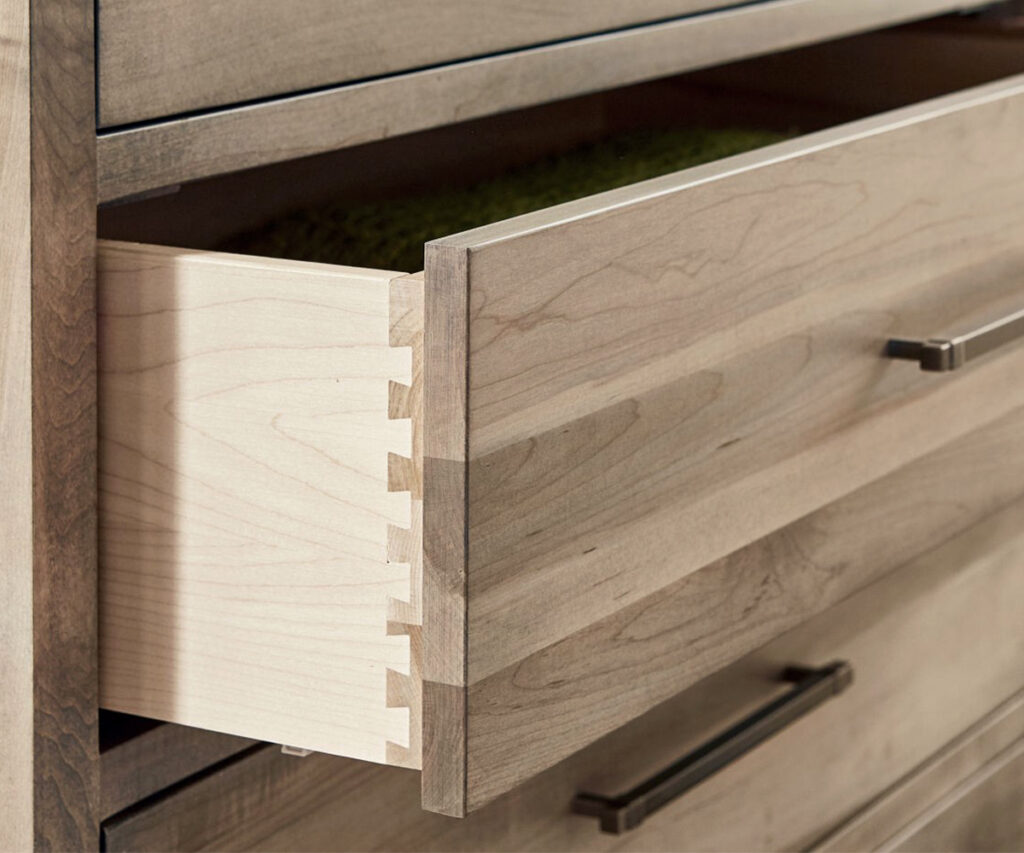
If you’re shopping for solid wood furniture, here are a few quick ways to spot high-quality joinery:
- Look for dovetail joints in drawers
- Check for smooth, tight seams
- Avoid visible staples or excess glue
- Examine the underside for solid construction
- Notice the weight and sturdiness of the piece
These small details can tell you a lot about how the furniture was made.
Why It Matters for Your Home
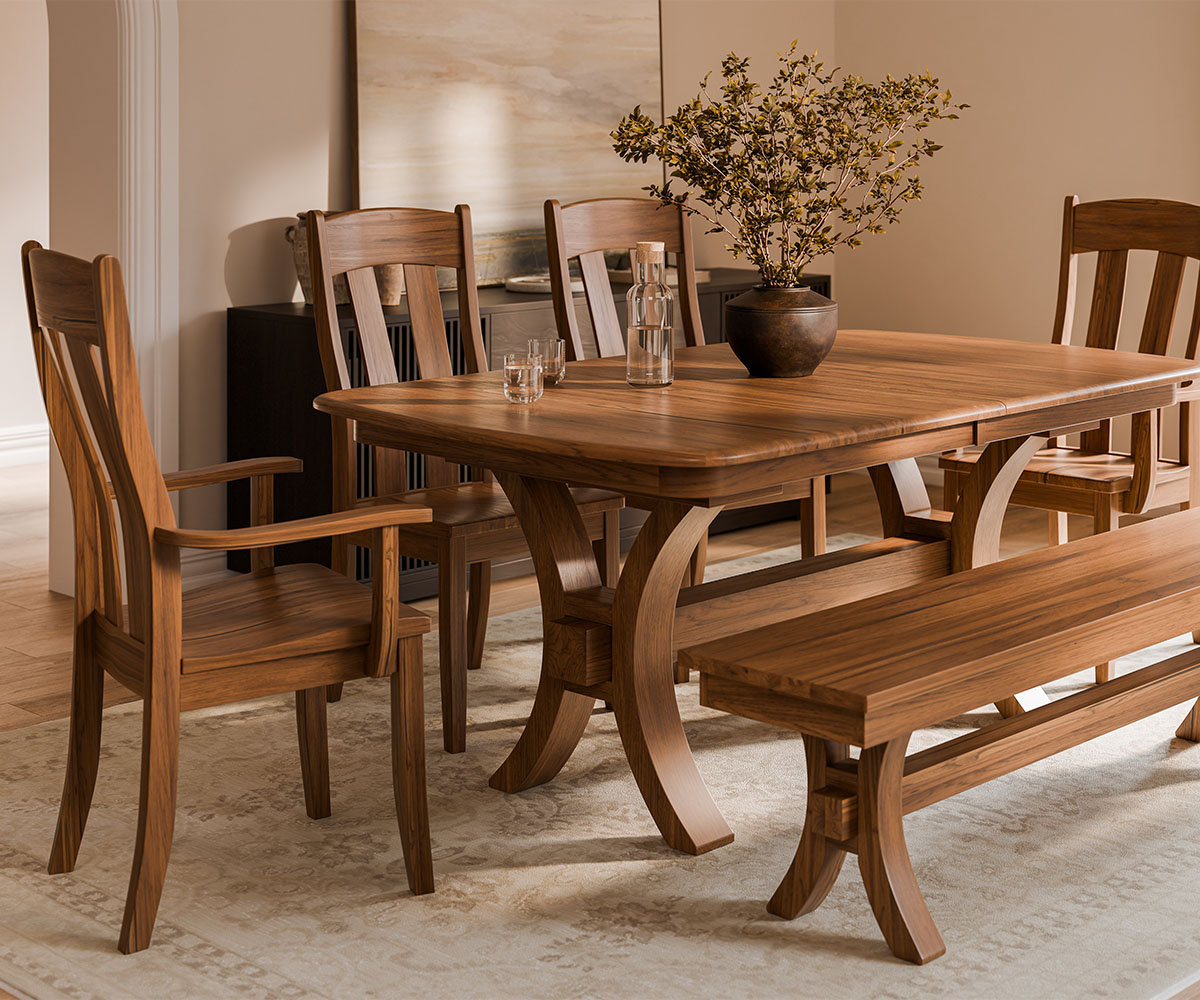
When you choose handcrafted Amish furniture, you’re making a long-term investment in your home. It’s not just built to look good—it’s built to endure.
Instead of replacing worn-out furniture every few years, you’re bringing in pieces that:
- Maintain their strength and structure
- Distribute weight evenly
- Age beautifully over time
- Become part of your family’s story
At Home Acres Fine Furniture, we’re proud to offer pieces that reflect this level of craftsmanship. Our furniture is built using the same trusted joinery techniques that have stood the test of time, stop in and see for yourself.
Joinery is a Valuable Amish Tradition
The next time you admire a piece of Amish furniture, remember that its true strength lies beneath the surface. Amish joinery techniques have been passed down through generations, preserving a level of craftsmanship that is increasingly rare today.
From mortise and tenon joints to dovetail drawers, every connection is carefully crafted to ensure durability, stability, and longevity.
That’s the difference joinery makes and it’s why Amish furniture continues to be one of the best investments you can make for your home.