
Driving through North Carolina, you’ll notice the state’s history and character in its houses. You’ll see Tudor Revivals with their exposed timbers and medieval flair in Winston-Salem. Along the coast, you’ll spot simple colonials and Cape Cods. In the suburbs, you’ll see the older Victorians, the century-old bungalows, and the newer minimalist homes.
Each home tells its own story, and the furniture inside can do the same. Amish furniture for homes across North Carolina complements that variety with lasting craftsmanship and style. In this guide, we’ll discuss eight distinct styles and show how certain furnishings complement, enhance, and bring a room to life.
Craftsman/Bungalow
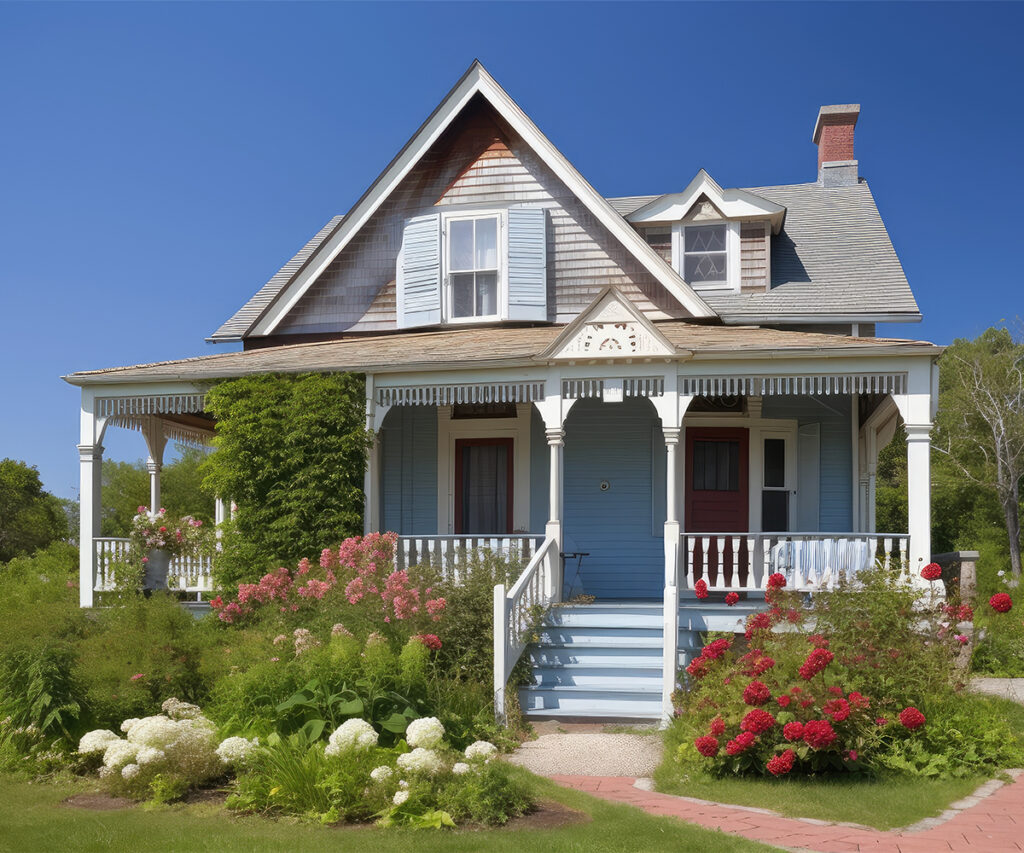
The Craftsman, or bungalow, became a staple of Asheville, Durham, and other historical districts around the 1920s. It grew as a reaction against the ornate Victorian styles, finding beauty in simplicity. They often featured wide porches, arched roofs, handcrafted details, and exposed woodwork. The ethic shifted from decoration to simple lines and visible wood grain.
With their focus on function and quality, the Amish appreciate the Mission furniture of that period. Developed by crafters instead of designers, it features solid wood, flat panels, and careful joinery. The magic of Mission lies in the panels—allowing you to appreciate the wood and the craft of joining it.
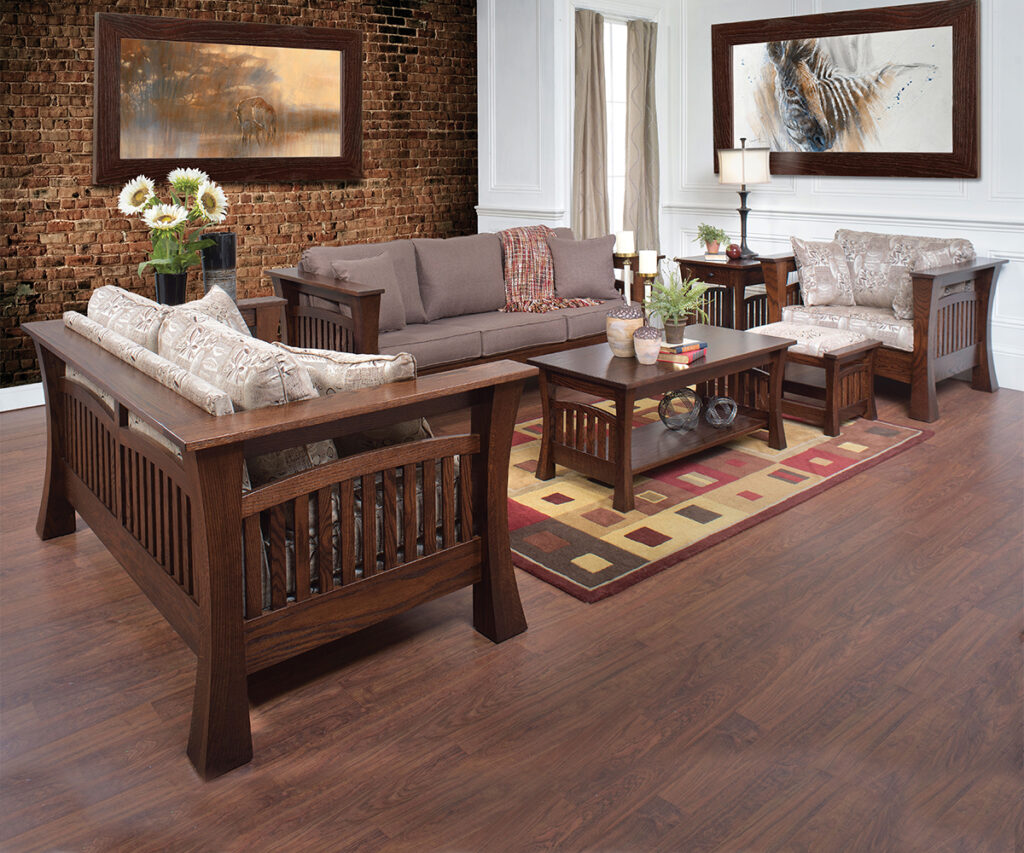
In the living room, keep the furniture functional. Skip the white sofa, or the one with dainty legs. Once again, Mission furniture provides comfortable elegance, just like the woodworking details that make your porch so welcoming.
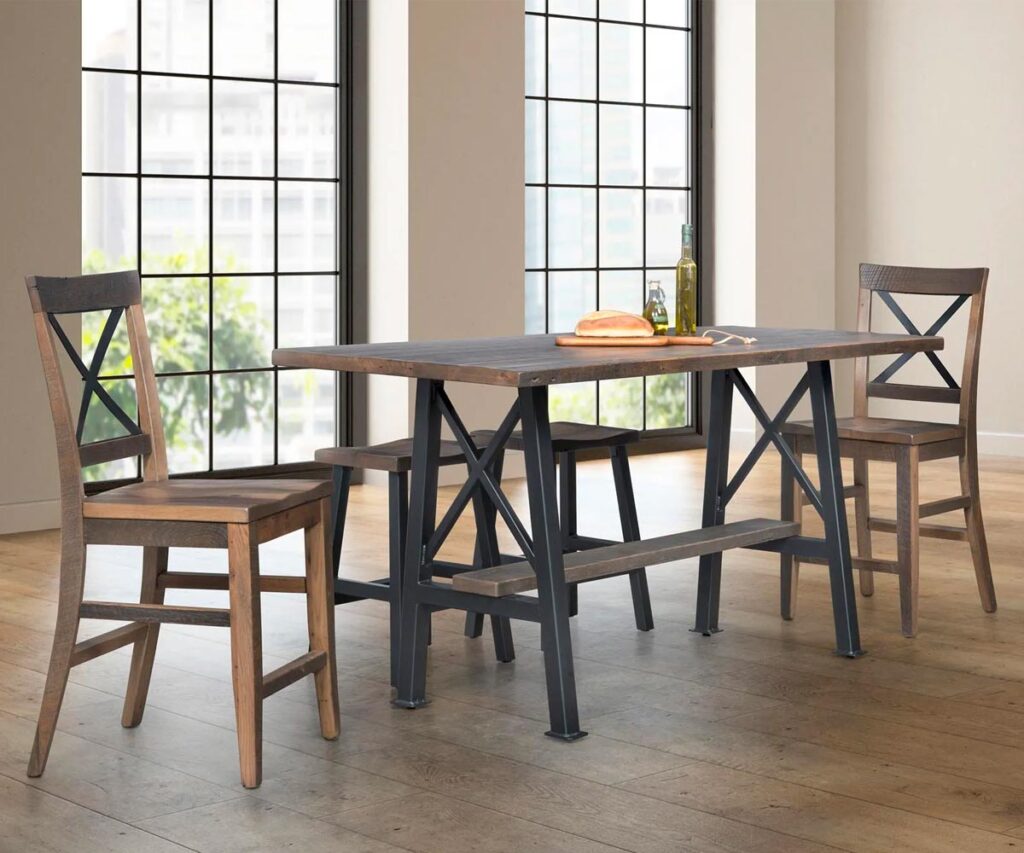
One of the nice things about a bungalow is its humility – it doesn’t mind if you borrow a little from other styles to make it your own. Because of their emphasis on comfort, modern farmhouse styles complement an Arts and Craft style. With their saw-marked wood and black metal, they’ll provide a lighter, updated look. Whatever you choose, make sure it’s comfortable and sturdy.
Colonial/Georgian
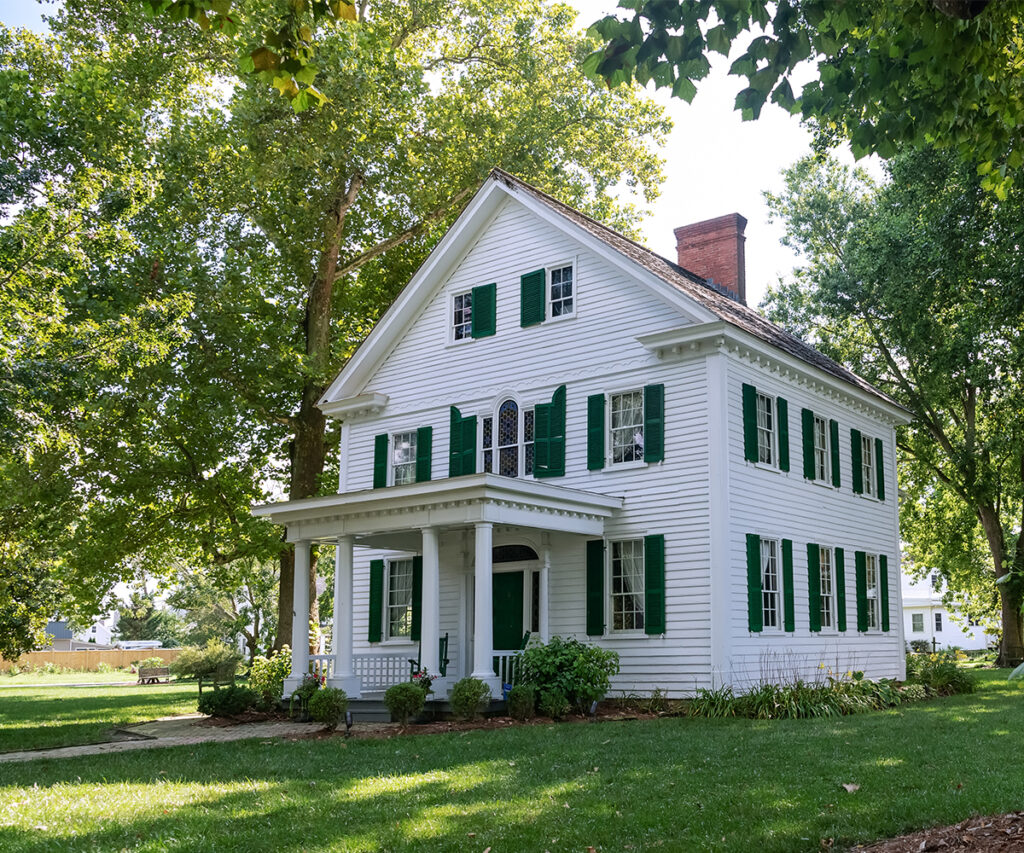
Colonial homes go back to before the 1800s, though plenty of newer houses were built in that style too. Often found around Charlotte or Raleigh, they’re usually plain rectangles with little or no porch. Don’t judge too quickly, though—the real beauty shows up inside. There you’ll find curved arches, balanced layouts, and rooms that feel formal and traditional.
The colonial houses that are still around—or the ones that copy the style—were usually owned by wealthier families. Back then, people might know the name of the carpenter who made their chair, but they also had servants doing the housework. You probably don’t have that kind of help today, so pick furniture that’s elegant without being fussy. Amish furniture delivers both—refined lines with practical strength.
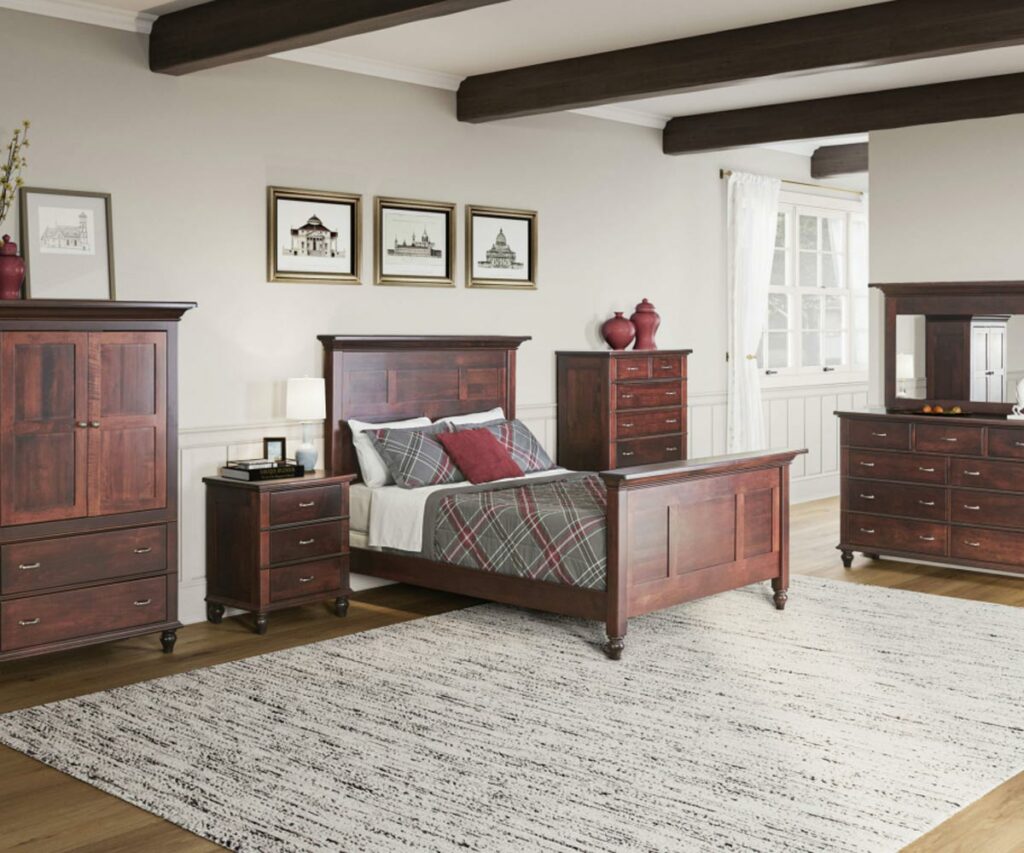
Colonial furniture often looks lighter because of the legs. You’ll see turned, tapered, or saber legs that keep the pieces from feeling too heavy. For bedrooms, choose warm woods, beveled edges, and arched headboards. If you’re the kind of person who wants furniture to “just work,” go with simple Shaker pieces—they’ll still blend in.
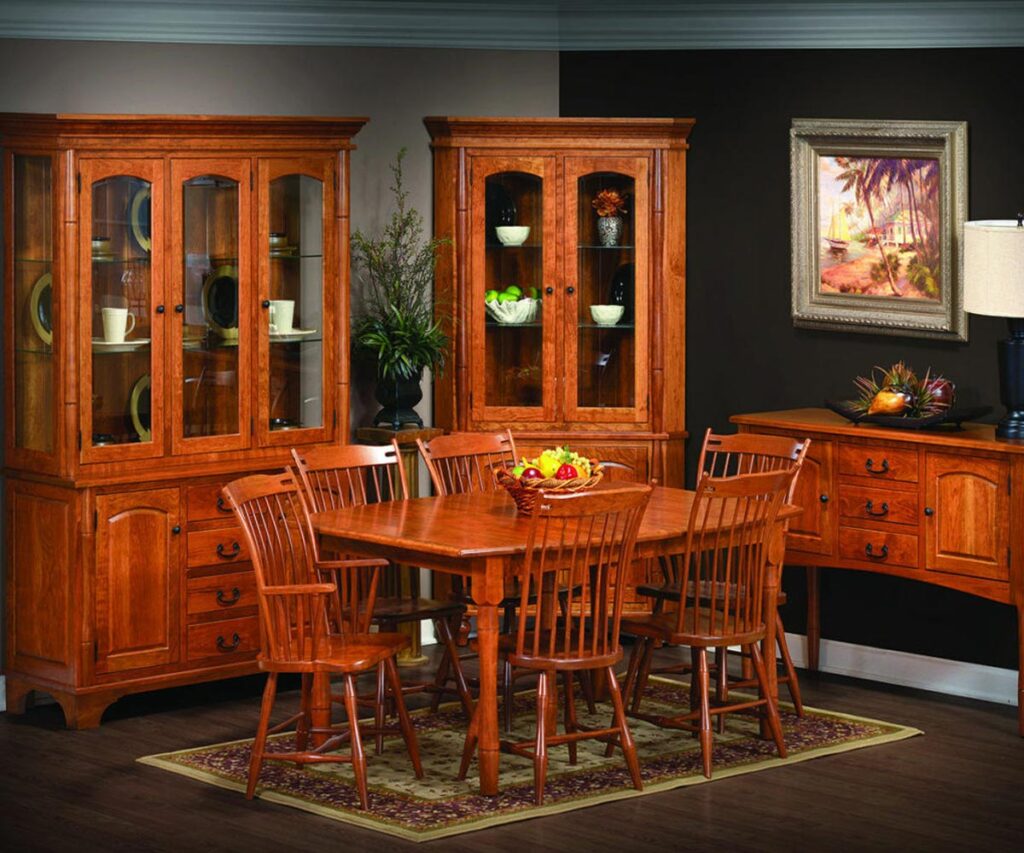
Dining rooms are a little trickier. Tall, slatted chairs are everywhere, but if you want something more formal, go for thinner spindles. The Concord chair in rustic cherry is a classic choice, with smooth, graceful curves. Upholstery is fine too, but skip anything bulky—you don’t want the chair to swallow the room. Victorian chairs with rounded backs fit in nicely—as long as they don’t look too bulky.
Ranch
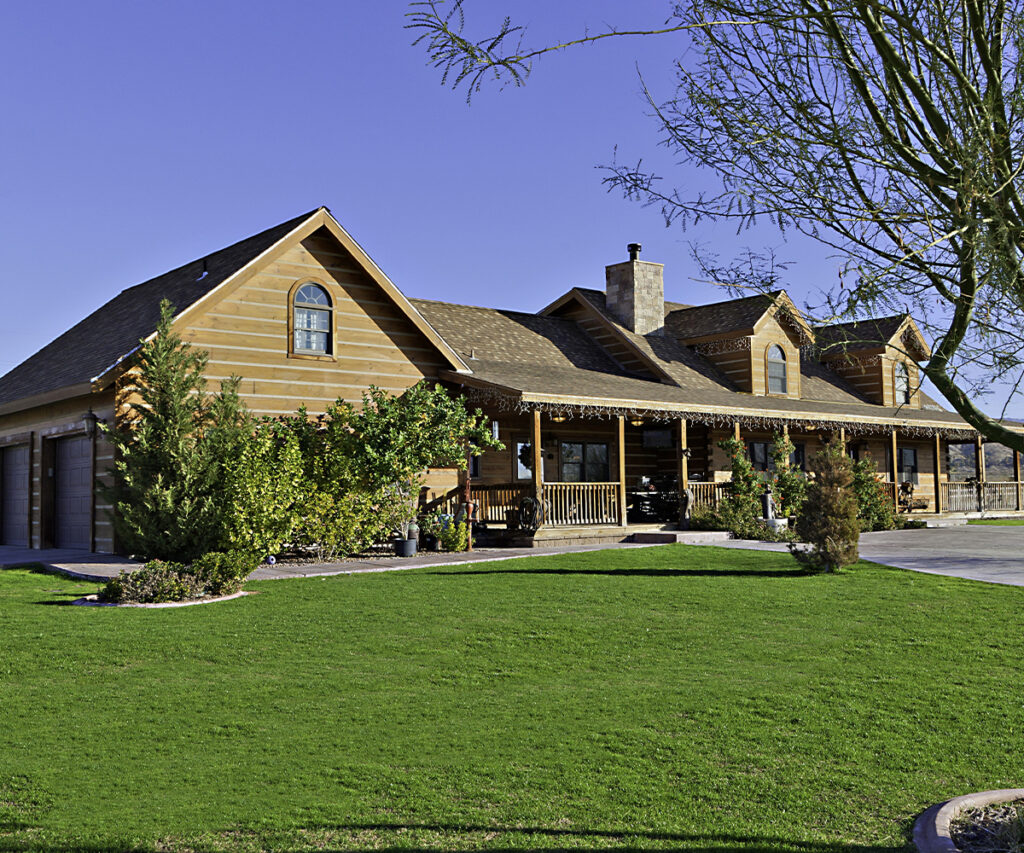
From the 1950s through the 1970s, ranch homes ruled the suburbs. They fit perfectly with post-war families who were leaving farms behind and moving into new neighborhoods. These houses often sat low on the lot, with wide yards and colors that blended in with nature.
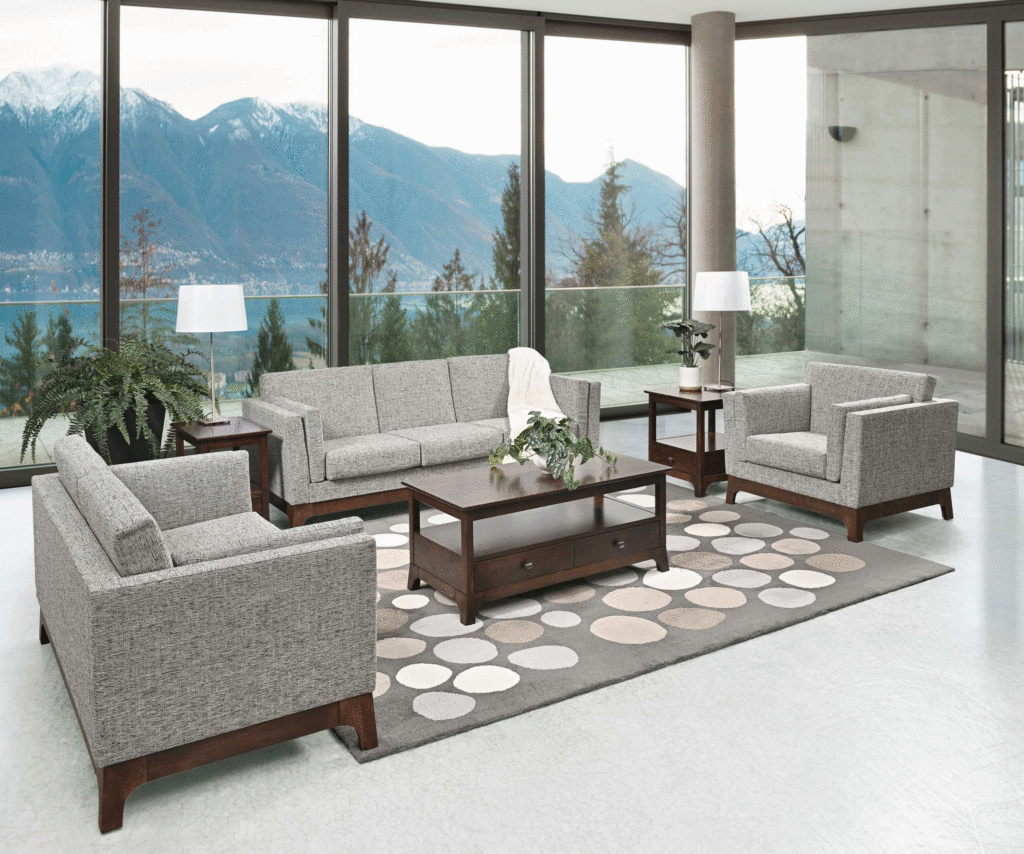
Mid-century modern furniture is the natural match for a ranch home. Most ranch houses have smaller rooms, so don’t try to squeeze in an oversized couch or farmhouse dining table—you’ll regret it. Instead, go with a flat, low sofa and maybe a futuristic chair to balance it out.
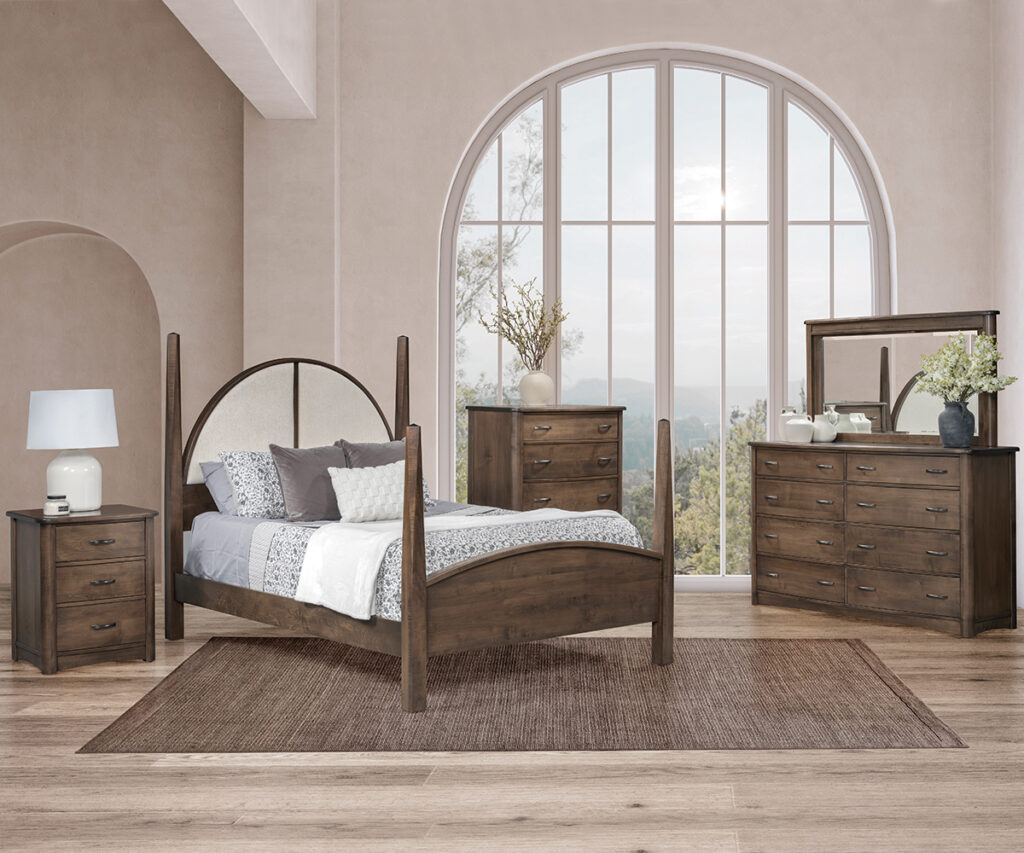
In bedrooms, Scandinavian-inspired pieces work beautifully. Look for natural wood tones and tapered legs. These details keep your space from feeling crowded, even if the room is on the smaller side. Amish builders often use these same clean lines in their Scandinavian and mid-century inspired collections.
Frank Lloyd Wright’s designs also influenced ranch homes, with their focus on natural materials and clean lines. To echo that, stick with mid-tone woods and bring the outdoors in whenever you can.
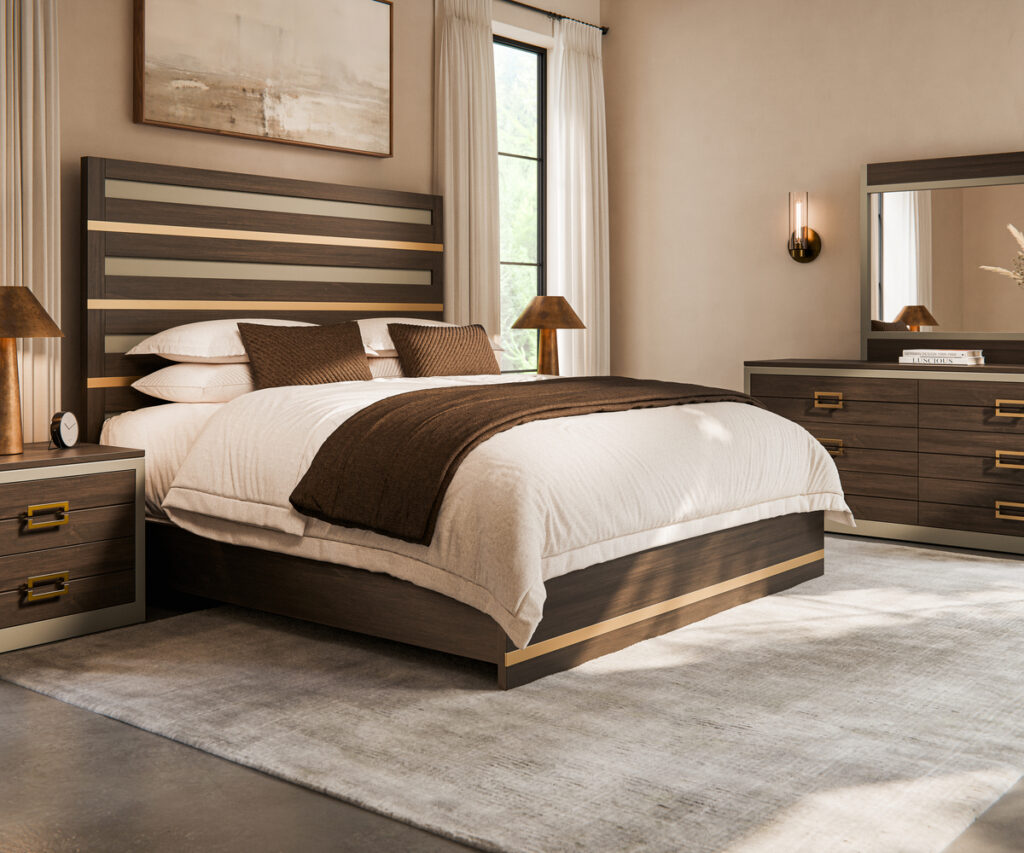
If you love the modern farmhouse look, don’t worry—you don’t have to give it up. Just mix in pieces with clean lines from mid-century modern, then add farmhouse touches like mixed metals or rustic woods. The combo feels updated without overwhelming the simple ranch style.
Modern Farmhouse
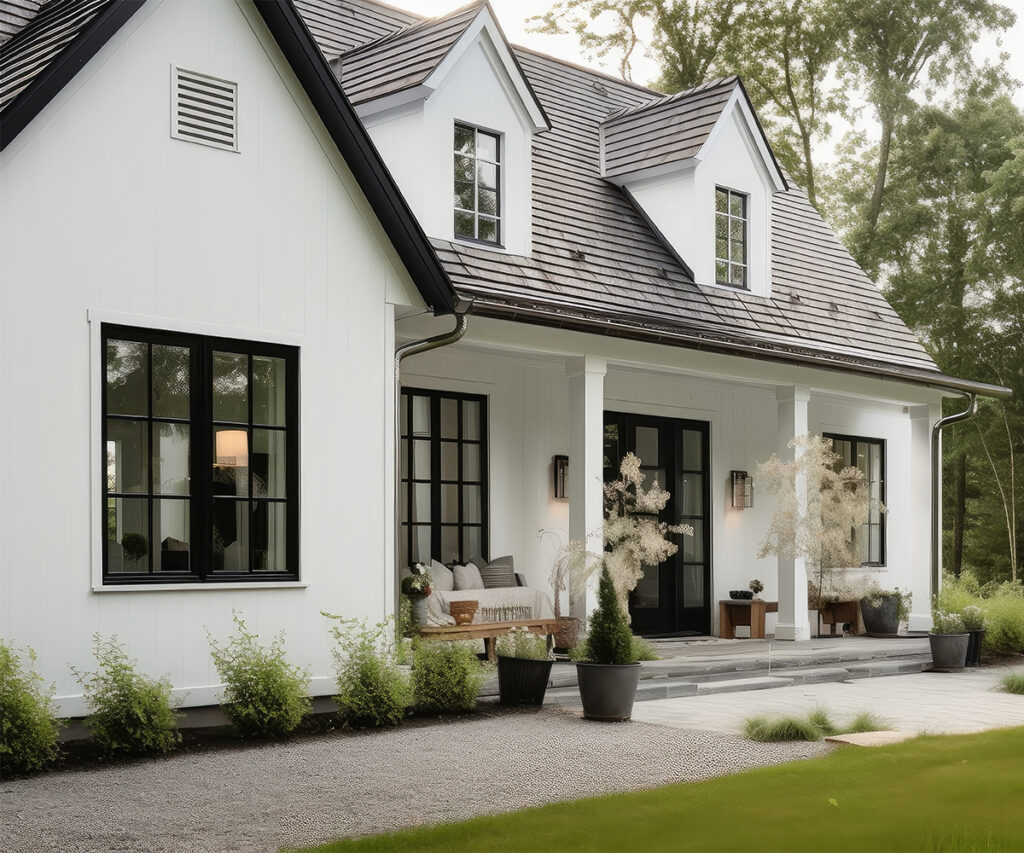
When families left the farm for the suburbs, they didn’t give up their love of big, welcoming homes. About ten years ago, the modern farmhouse style took off, offering calm rooms where you could truly relax. Colors stay simple—lots of white, broken up with gray, black accents, and touches of greenery. The palette doesn’t change much, but the mix of textures keeps it interesting.
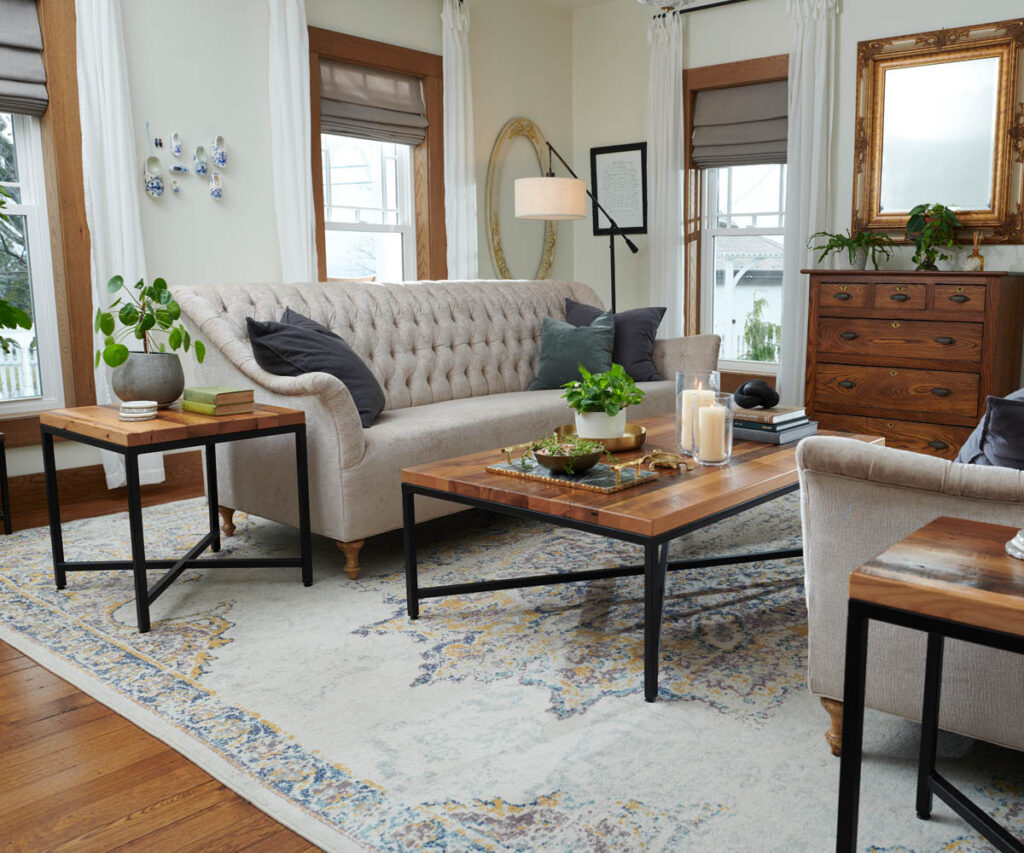
Modern farmhouse pulls off a rare mix: comfort and minimalism. You’ll see soft, puffy upholstery paired with strong fabrics and black metal accents. Think cozy, but without the clutter. Amish farmhouse tables and chairs capture this balance with solid wood strength and simple lines.
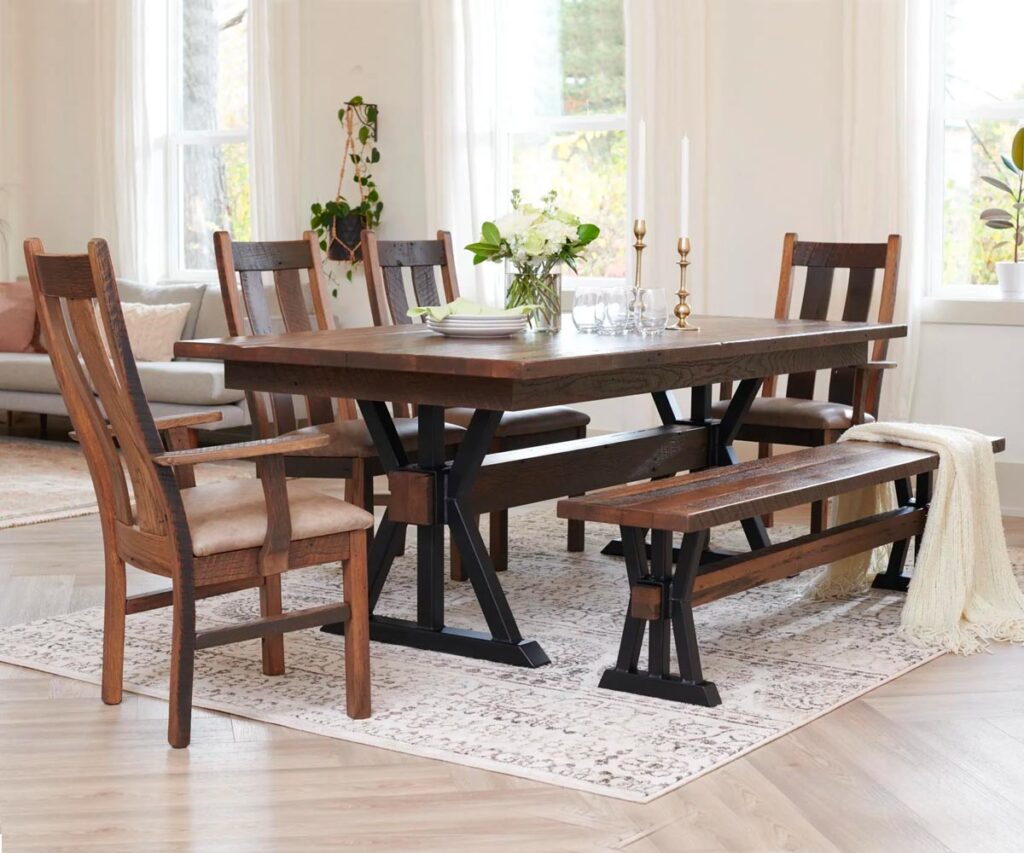
This style shines when it shows off imperfections. The classic farmhouse table might have white legs, mismatched chairs, and chipped paint. Don’t hide the wear—it makes the space feel lived in. Some pieces lean formal, with dark wood tones, but even those keep a casual edge by showing saw marks or pairing with upholstered seats. That flexibility is part of the charm—you can adjust the look to fit your own family.
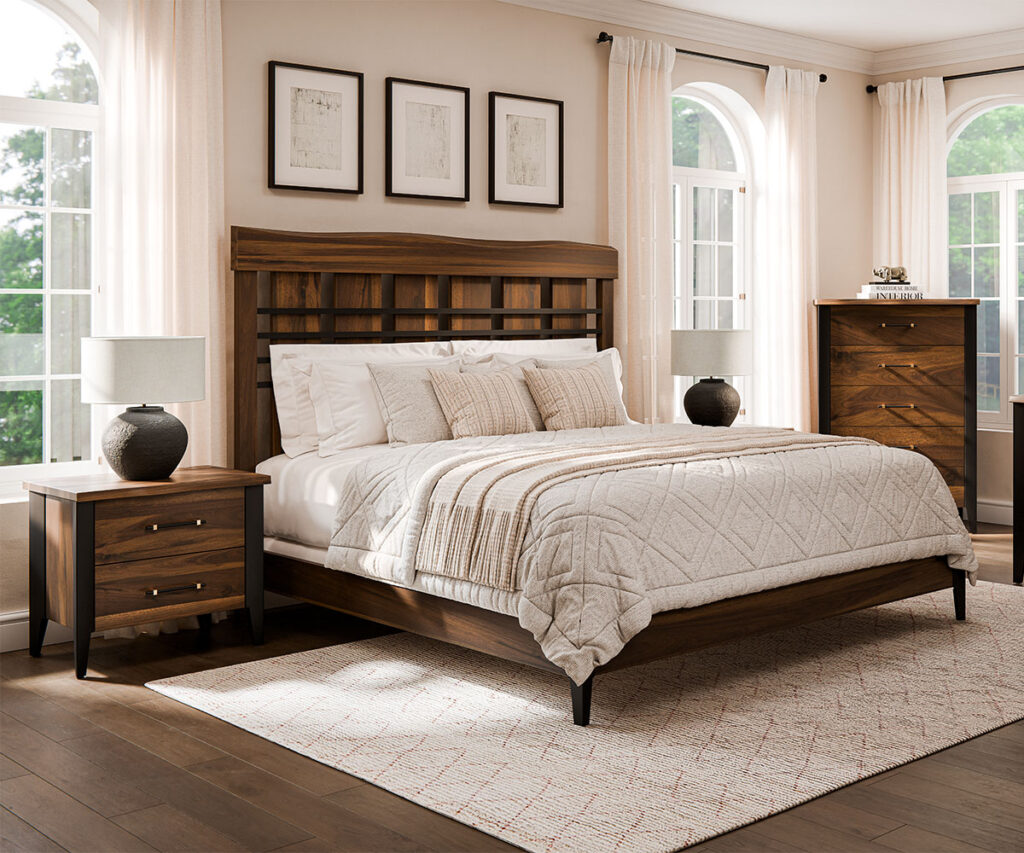
Want it sleek? Want it cozy? Go either way. The Uptown bedroom collection proves you don’t have to choose—both belong under the modern farmhouse umbrella.
Victorian
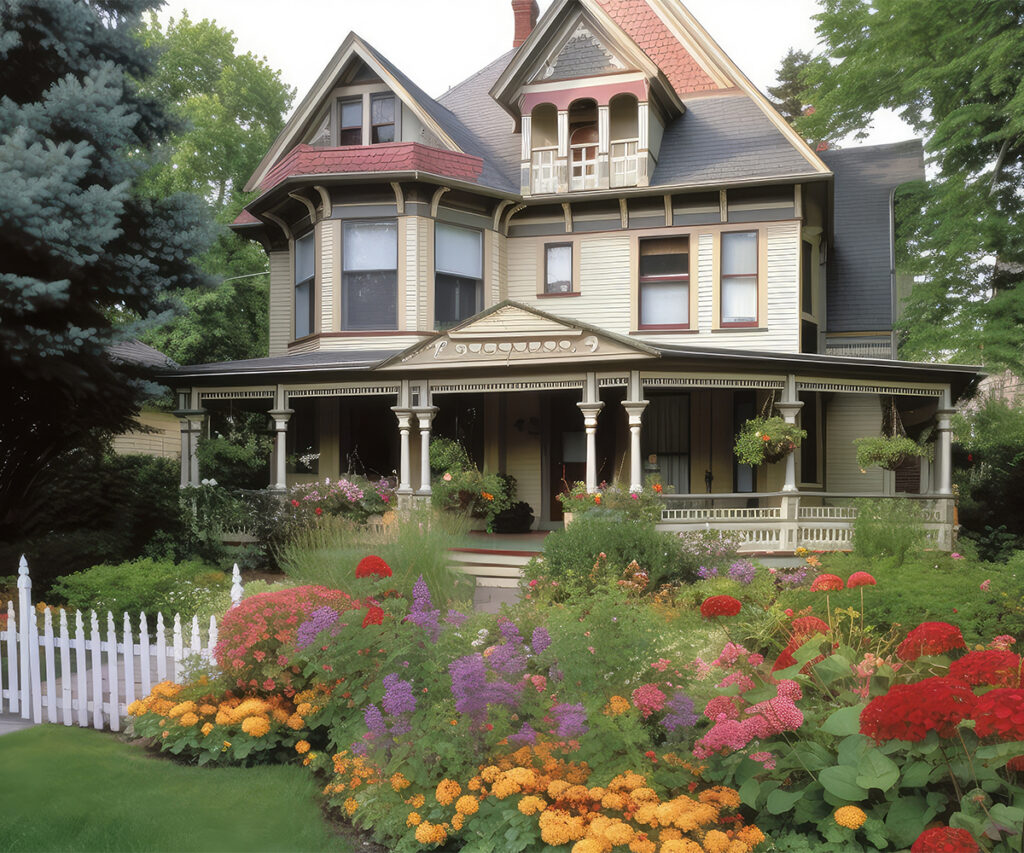
In historic districts like Wilmington, Victorian houses always steal the show. Their motto could be “more is more,” and it fits. With ornate trim, tall turrets, and quirky, uneven shapes, these homes bring personality to every block. Since the early 1900s, many Victorians have worn bold, colorful paint jobs that make them even harder to miss.
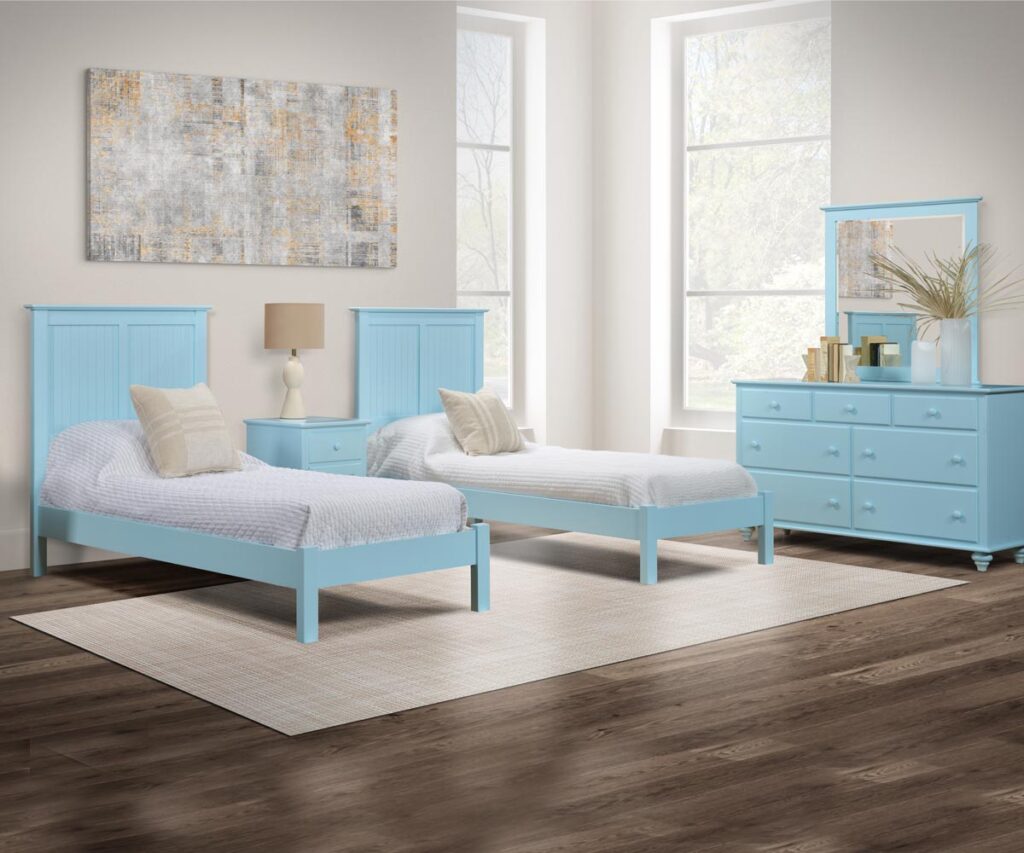
Inside, the same rule applies. While white was the traditional Victorian color, decorators often give each room its own scheme. One room might feel bright and cheerful, another dark and moody. Why settle for one look when you can have five? With so many separate spaces, you don’t risk getting bored.
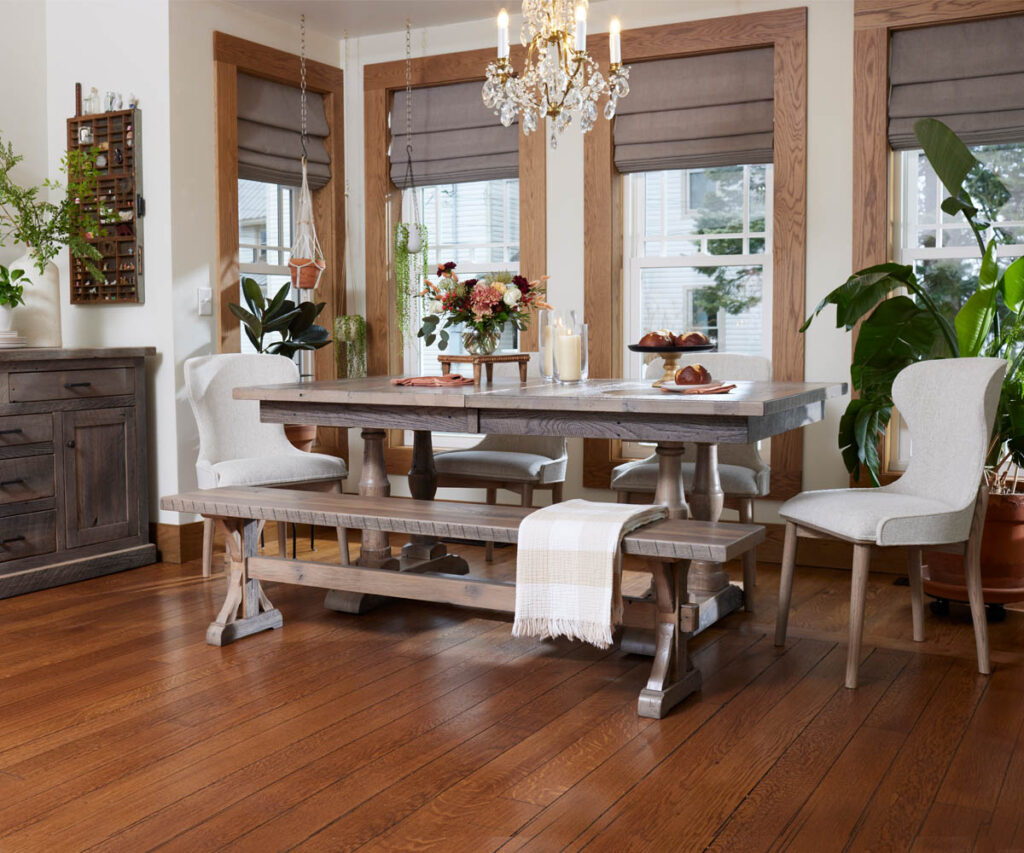
Furnishing a Victorian home should feel just as fun. Elegant white pieces always work, but don’t be afraid to branch out. A breakfast nook with upholstered chairs makes tea with friends feel extra inviting.
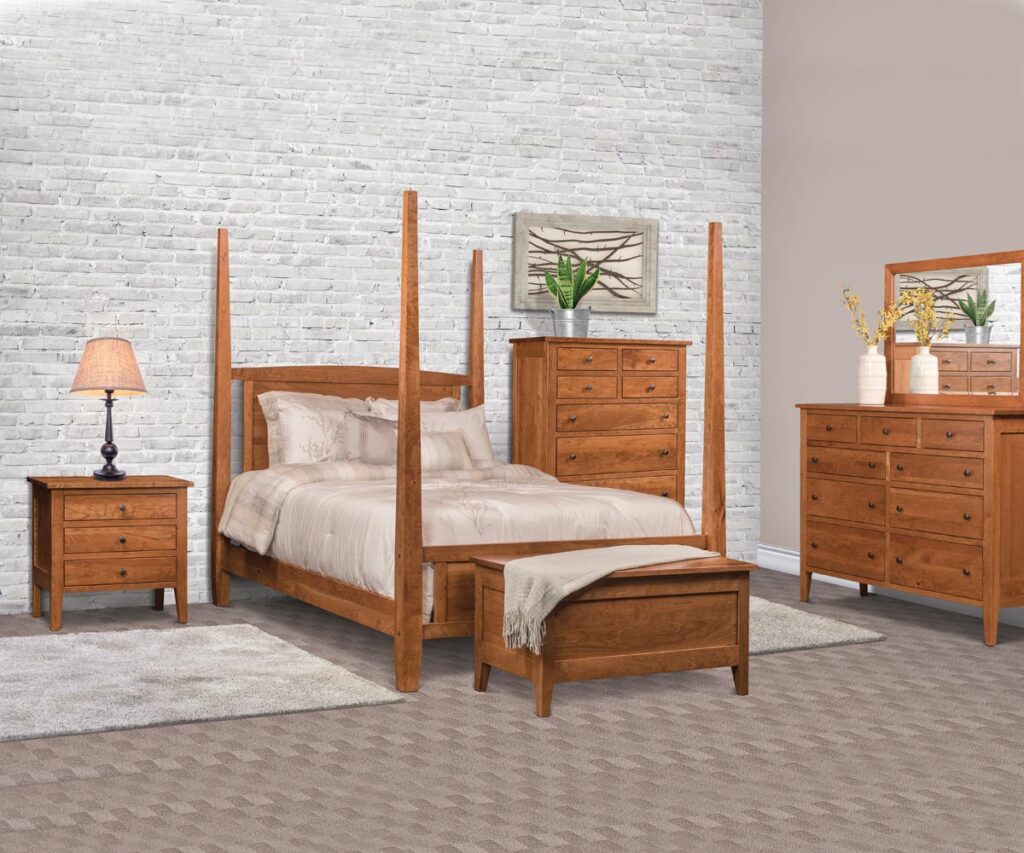
In the bedroom, think about adding a touch of whimsy with color, or go timeless with cool whites. And of course, nothing says “Victorian” like a four-poster bed.
Tudor Revival
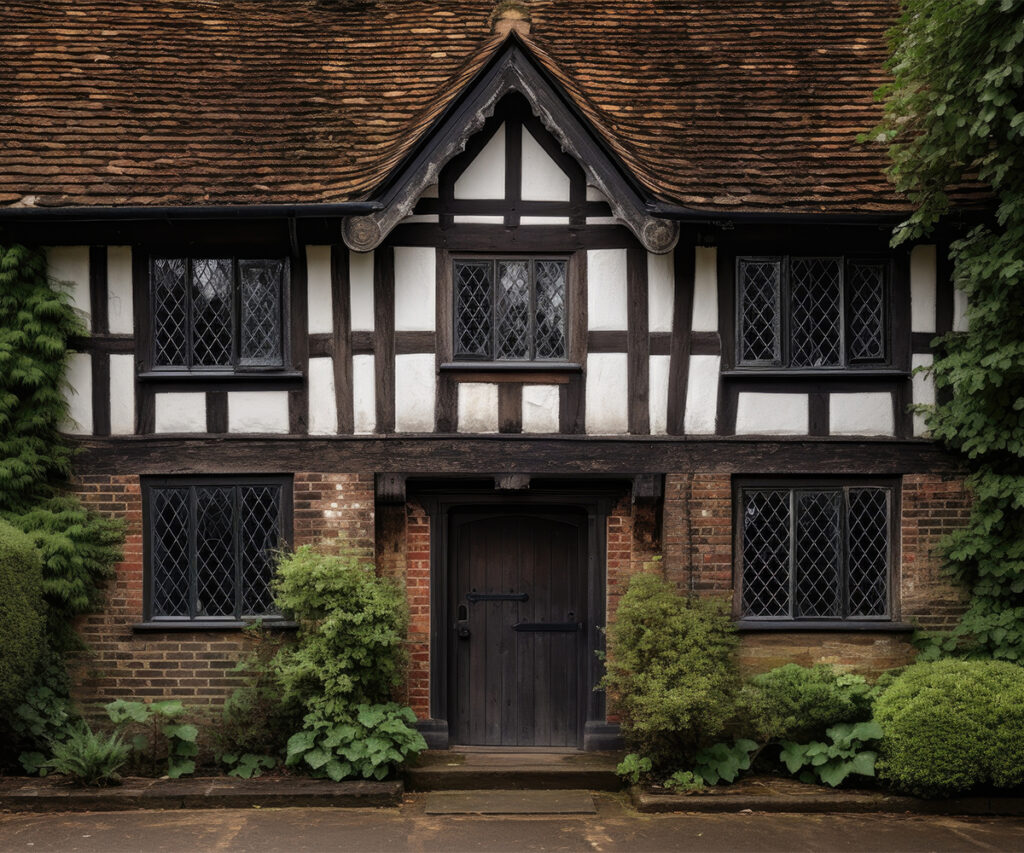
The Tudor Revival style saw two big waves of popularity—first in the 1920s, then again in the 1970s and ’80s. You’ll find them in Greensboro, Winston-Salem, and scattered through older suburbs. These houses can look like grand mansions or small cottages, but they always stand out with half-timbered walls, steeply pitched roofs, and tall, pointed arches that hint at medieval times.
Builders loved mixing materials—stone, stucco, and solid timbers. Inside, the look leans heavy and warm. Don’t go pale and cold here—this style begs for creamy whites, golden tones, and dark varnished wood. Traditional furniture works well, especially heavier bedroom sets in deep finishes.
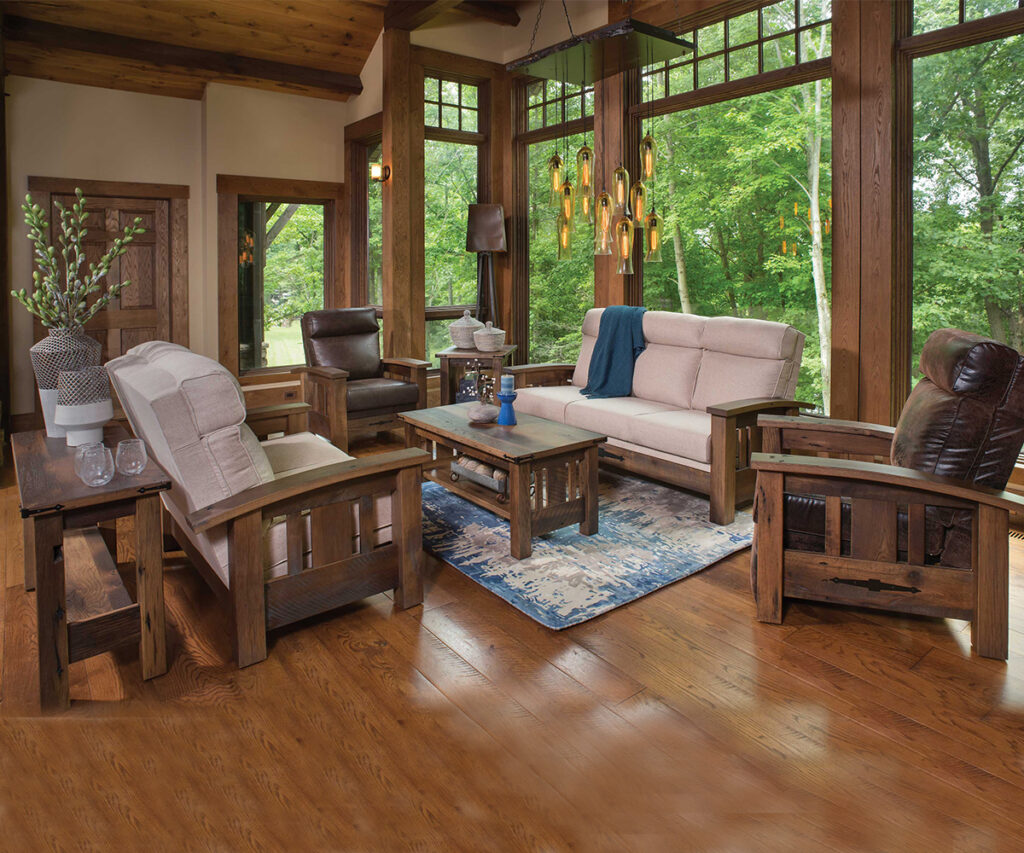
In living rooms, Amish Mission pieces give the house a grounded, relaxed feel. Picture a big wingback chair by the fireplace or a sturdy chest for extra storage—cozy, but still dramatic.
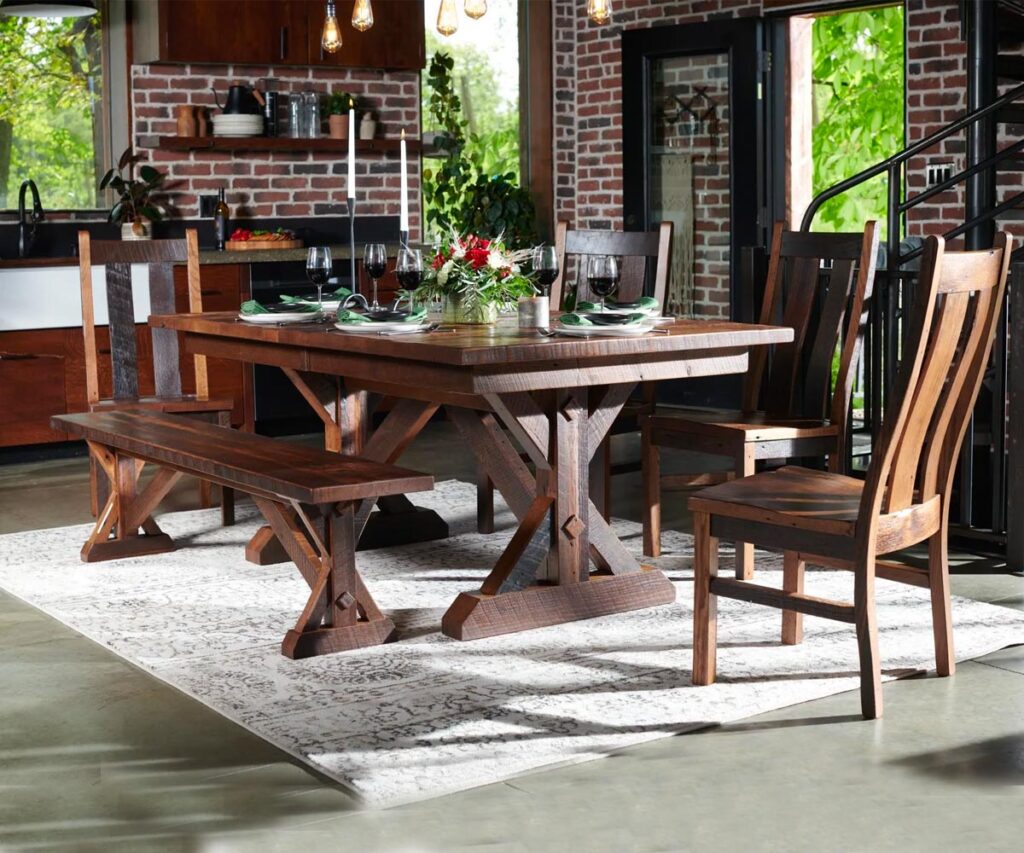
Even the dining room offers room for fun. A long trestle table with saw marks and generous seating instantly calls to mind a medieval feast. You can almost imagine roast and potatoes on the table, with plum tart waiting for dessert. Modern farmhouse blends in surprisingly well here, bringing warmth while still keeping the hall-like feel.
Modern
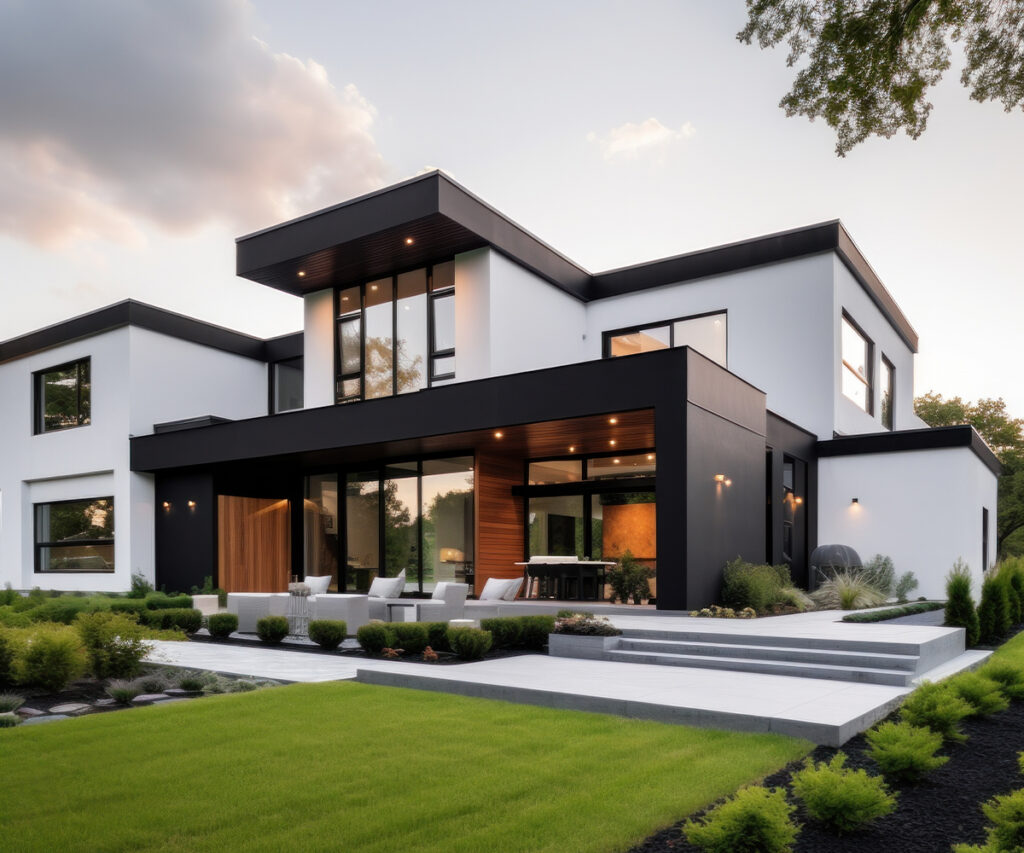
Modern homes strip the structure down to the essentials. Builders use new materials, wide windows, and sustainable features that show care for the environment. Over the past seventy years, the modern style has kept reinventing itself, staying fresh while still practical.
Furniture in these homes usually blends mid-century modern with minimalism. Skip heavy, carved, or overly ornate pieces—they’ll fight against the clean lines of the house. Instead, go for slim silhouettes with tapered legs that keep the room open. Scandinavian designs work beautifully here with their light wood finishes and simple shapes.
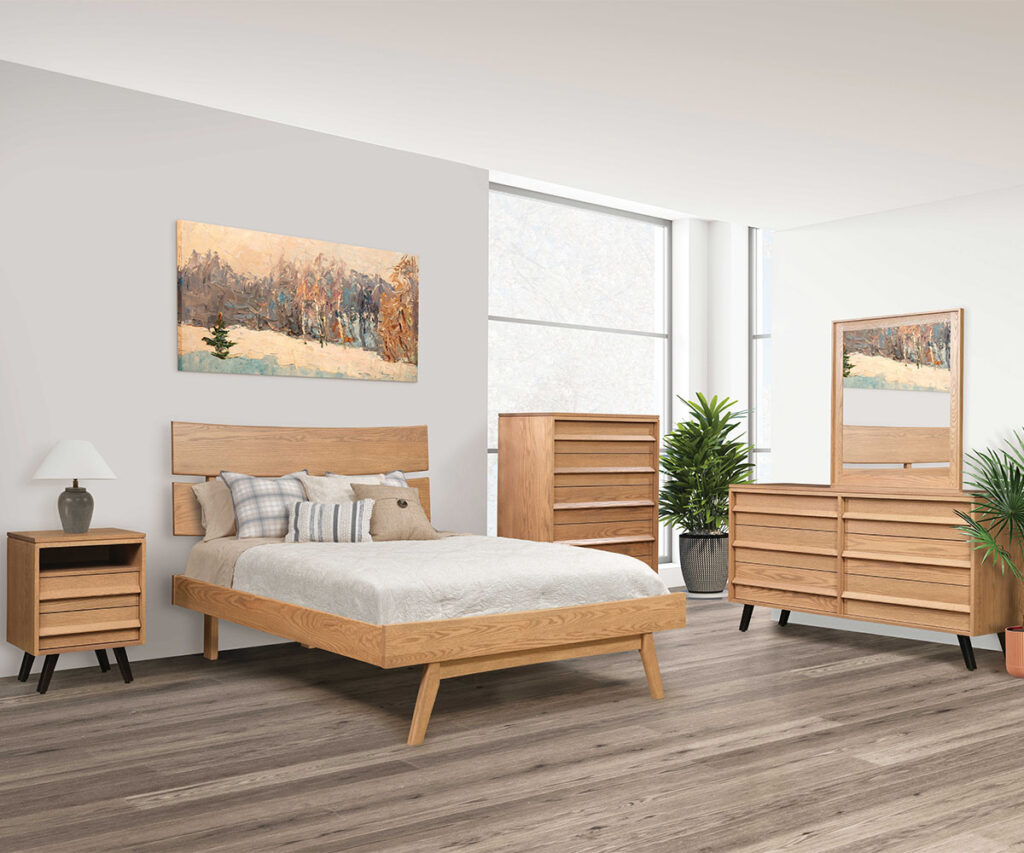
In bedrooms, platform beds with straight frames, floating nightstands, and streamlined dressers fit the style. If you want warmth, choose walnut or oak finishes instead of going all white.
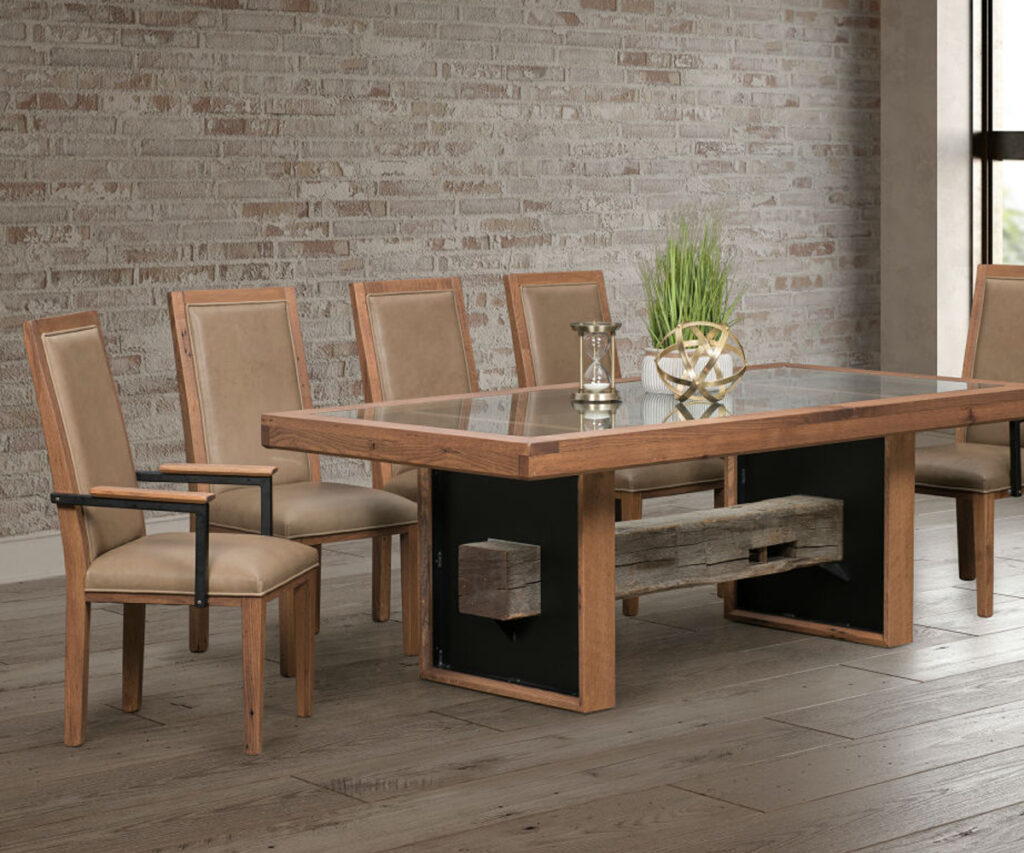
Dining rooms open the door for variety. Glass or metal tables feel striking and modern, while light wood tables with simple trestle bases offer a softer take. Mixing textures—like a wood table with metal chairs—keeps the space balanced and up to date. Amish-made wood tables add durability while still keeping the modern look light.
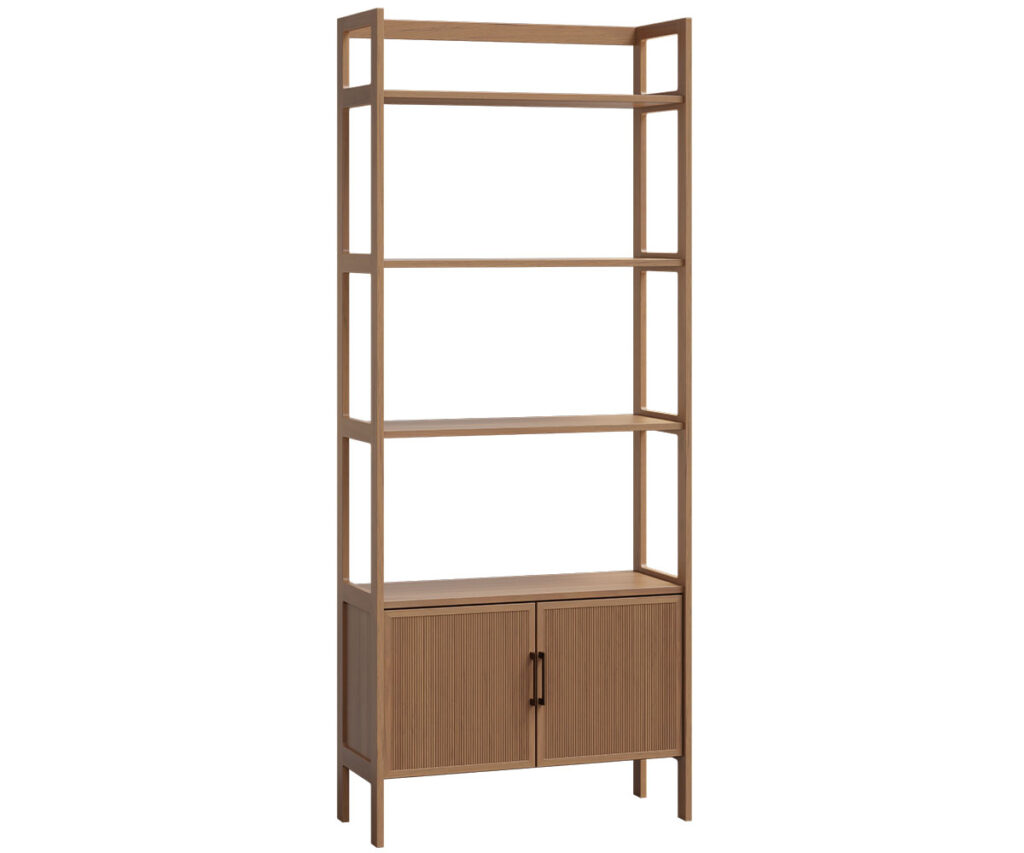
For accents, think slim bookshelves, geometric coffee tables, or nesting side tables. Less is more here, but don’t confuse simple with boring—the right shapes and materials give plenty of character.
Mountain Lodge
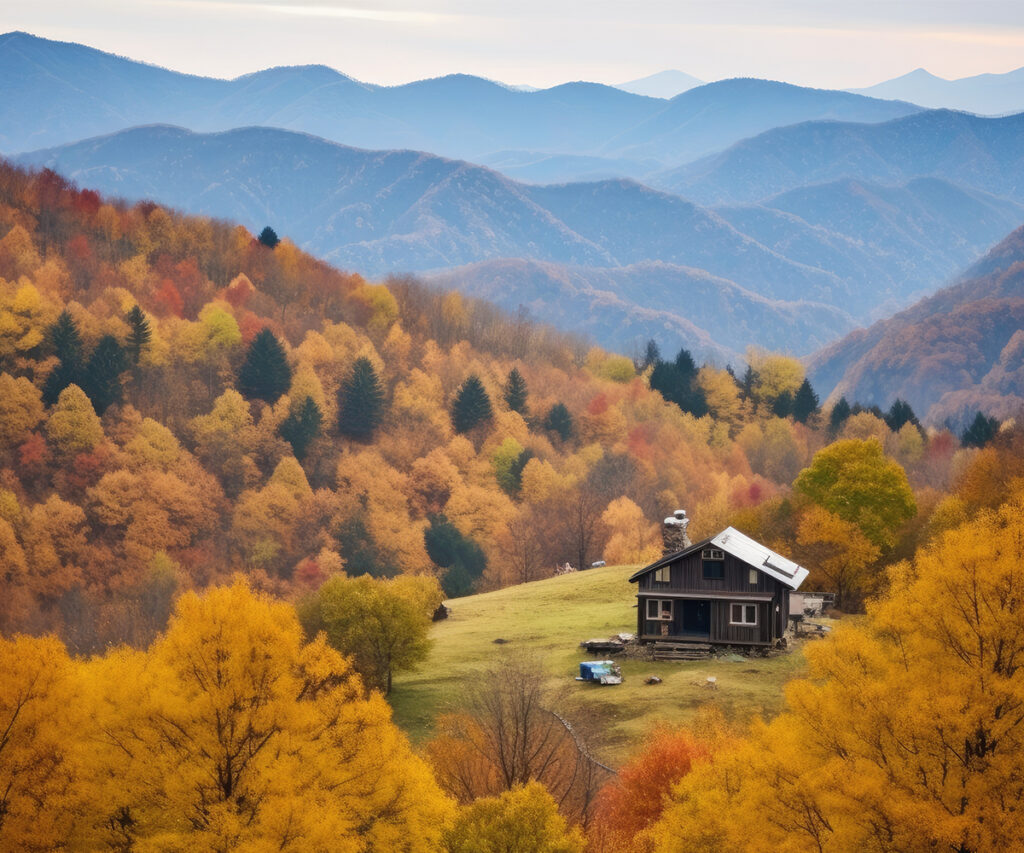
North Carolina’s mountains offer a world of their own, especially around Asheville. Summer cabins and winter lodges here give families a break from the lowland heat and a slower pace of life in the cold months. These homes are built for one thing above all: relaxing with good company.
Builders often lean on natural materials like stone and heavy timbers to blend the home with its setting. Inside, furniture should echo that same feel. Rustic furniture keeps the wood in its rawest form, sometimes leaving live edges or shapes close to the original tree. Modern farmhouse gives you similar texture, but with a little more polish—lighter finishes, mixed metals, and a casual, updated look. Mission keeps the solid craftsmanship but softens the rugged edges.
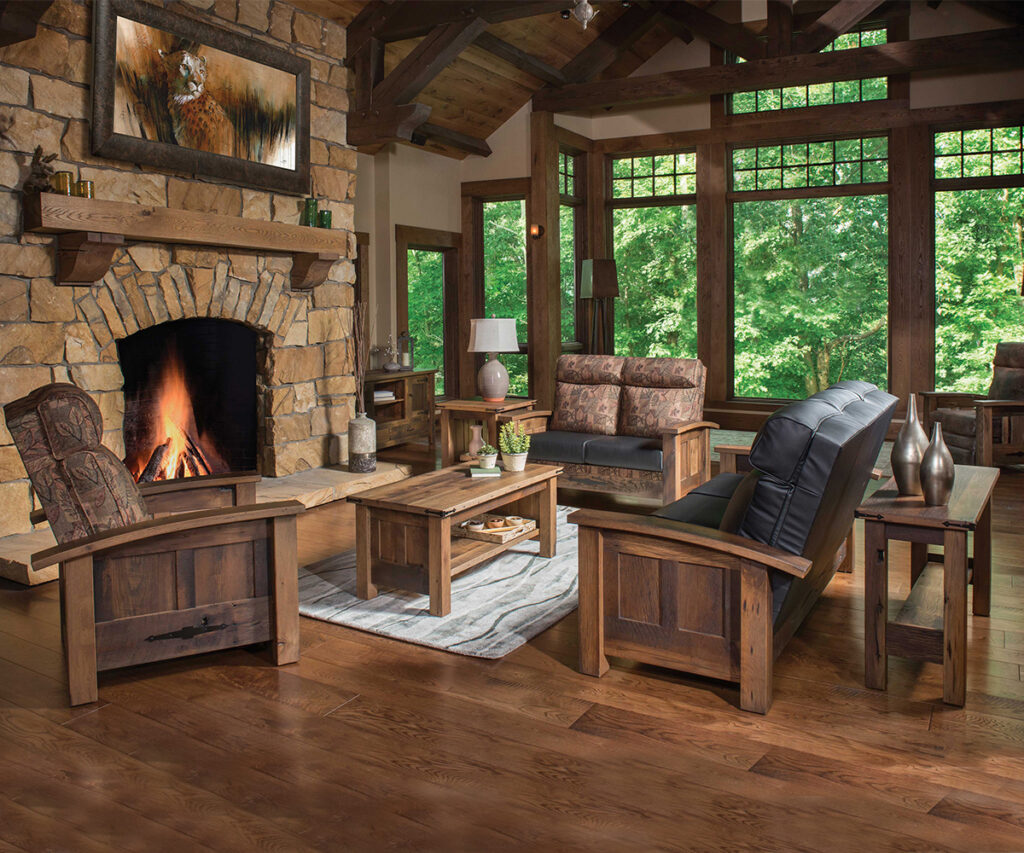
For living rooms, think big leather sofas, wide armchairs, and chunky coffee tables where you can put your feet up. Add storage trunks, open bookshelves, or stone-topped side tables for function that still fits the lodge vibe.
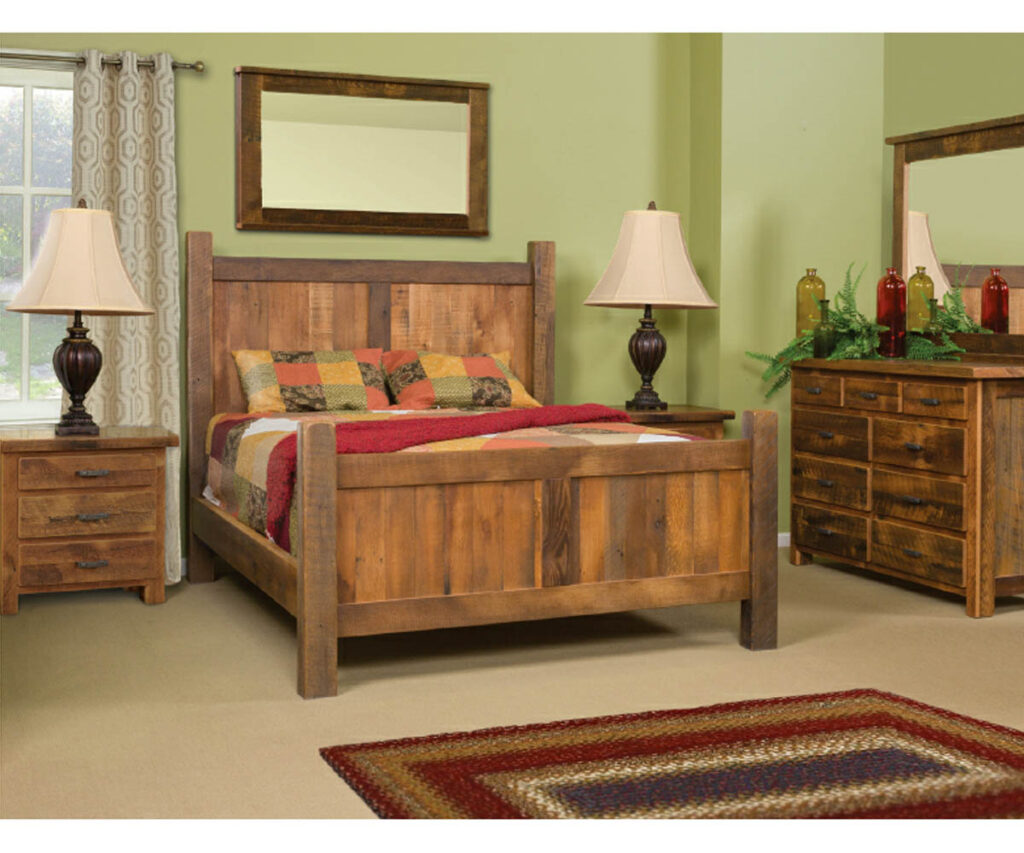
In bedrooms, heavy wood frames with visible grain feel right at home. Farmhouse-style headboards add weight without looking fussy. Layer in cozy textiles—wool blankets, flannel, or faux fur—to keep the space warm and inviting.
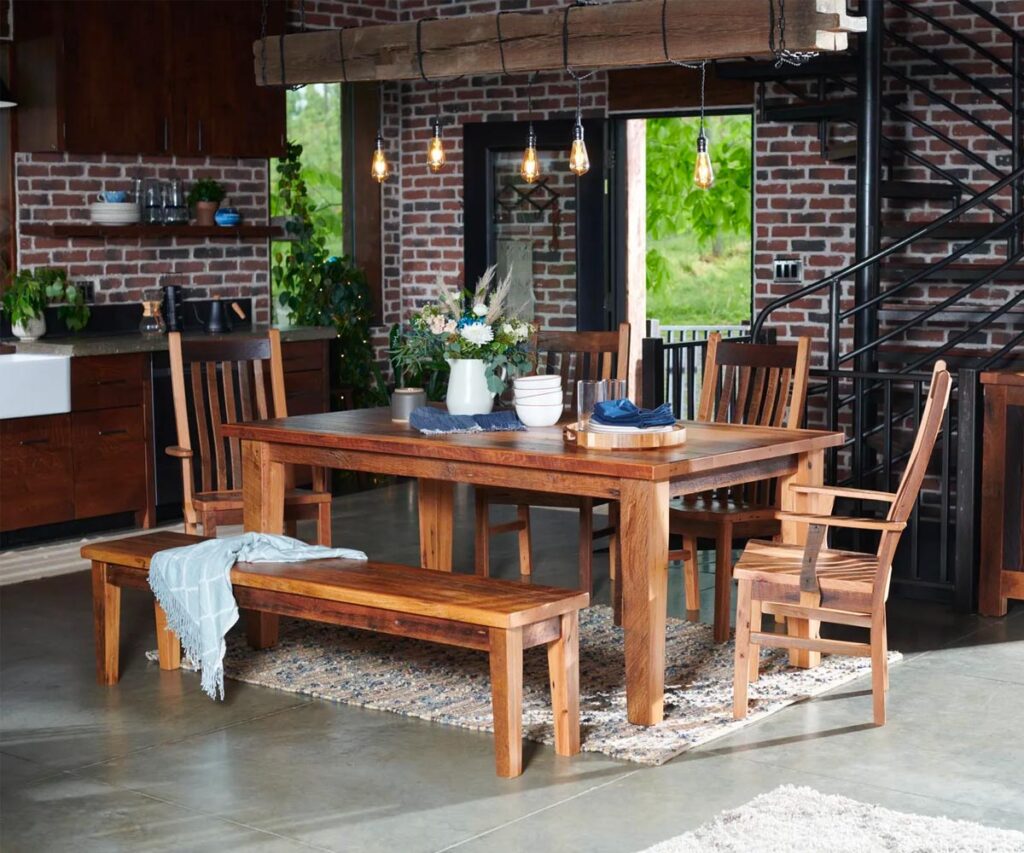
Dining rooms call for long, sturdy tables that can handle a crowd. Pair them with ladder-back or upholstered chairs for comfort. Benches also work well, especially if you want to capture the casual, family-style feel.
Bringing It All Together
From coastal cottages to mountain lodges, from simple bungalows to grand Victorians, North Carolina’s homes tell a story of history, place, and personality. The right furniture doesn’t just fill a room—it highlights what makes each house unique. Mission pieces feel at home in a Craftsman, light spindles shine in a Colonial, sleek lines balance a Ranch, and rustic tables anchor a mountain retreat.
At the end of the day, North Carolina homes were built for people to enjoy—front porch to back deck, living room to dining table. Choose furniture that welcomes guests, reflects your taste, and will serve your family for generations. That’s the kind of craftsmanship the Amish have always believed in, and it’s what turns a house into a home.